


Want to Subscribe?
Read Corporate India and add to your Business Intelligence
 Unlock Unlimited Access

Published: September 30, 2025
Updated: September 30, 2025
Founded in 1970, India’s leading stainless steel manufacturer, Jindal Stainless (JSL), had an annual turnover of Rs 40,182 crore ($ 4.75 billion) in FY25 and is ramping up its facilities to reach 4.2 million tonnes of annual melt capacity in FY27. It has 16 stainless steel manufacturing and processing facilities in India and abroad, including in Spain and Indonesia, and a worldwide network in 12 countries. The company’s product range includes stainless steel slabs, blooms, coils, plates, sheets, precision strips, wire rods, rebars, blade steel, and coin blanks, using the electric arc furnace process that significantly reduces greenhouse gas emissions and allows for recyclability of scrap without compromising on quality.
Through its wholly owned subsidiary Jindal Stainless Steelway Limited (JSSL), the company has launched its first stainless steel fabrication unit at Washivali, Patalganga, in Mumbai. This step is aimed at setting new benchmarks in integrated infrastructure excellence. The 4 lakh sq ft facility will cater to the needs of the bridge sector and focus on fabricating, among other critical components, various types of girders.
Developed with an initial investment of approximately Rs 125 crore, this facility marks a strategic leap for the company, strengthening its position as both a leading supplier of stainless steel material and a provider of end-to-end fabrication solutions for India’s rapidly growing infrastructure sector. By FY 26-27, the unit is expected to achieve an annual fabrication capacity of 18,000 tonnes, up from an estimated 4,000 tonnes in the current financial year, to meet the growing demand for sustainable, high-quality bridge infrastructure.
Speaking on the occasion, CEO and CFO Tarun Khulbe said, “Developing a trained fabricator ecosystem has long been a challenge in fully translating the excellence of sustainable stainless steel material into reliable, high-quality fabrications. With the launch of this facility, we are bridging that gap, by bringing together material excellence, skilled fabrication, and streamlined processes to deliver timely and superior infrastructure solutions.”
JSL recently supplied premium 301N austenitic stainless steel for the Bangalore Metro Phase 2 project, marking another milestone in its contribution to the country’s urban transport infrastructure. Earlier this year in August, Bangalore Metro Rail Corporation Limited inducted three trainsets from the CRRC-Titagarh Consortium into service under its Phase 2 metro expansion. The order covers 53 trainsets, underscoring the scale and importance of this project for Bengaluru’s rapidly growing metro network.
JSL has supplied 1,031 tonnes of 301N stainless steel till date, with further deliveries scheduled as the project advances. The supplied material, valued for its high strengthto-weight ratio, excellent corrosion protection characteristics, superior fire and crash resistance, and low carbon footprint, has been used across the operational metro coaches, including roofs and structural parts.
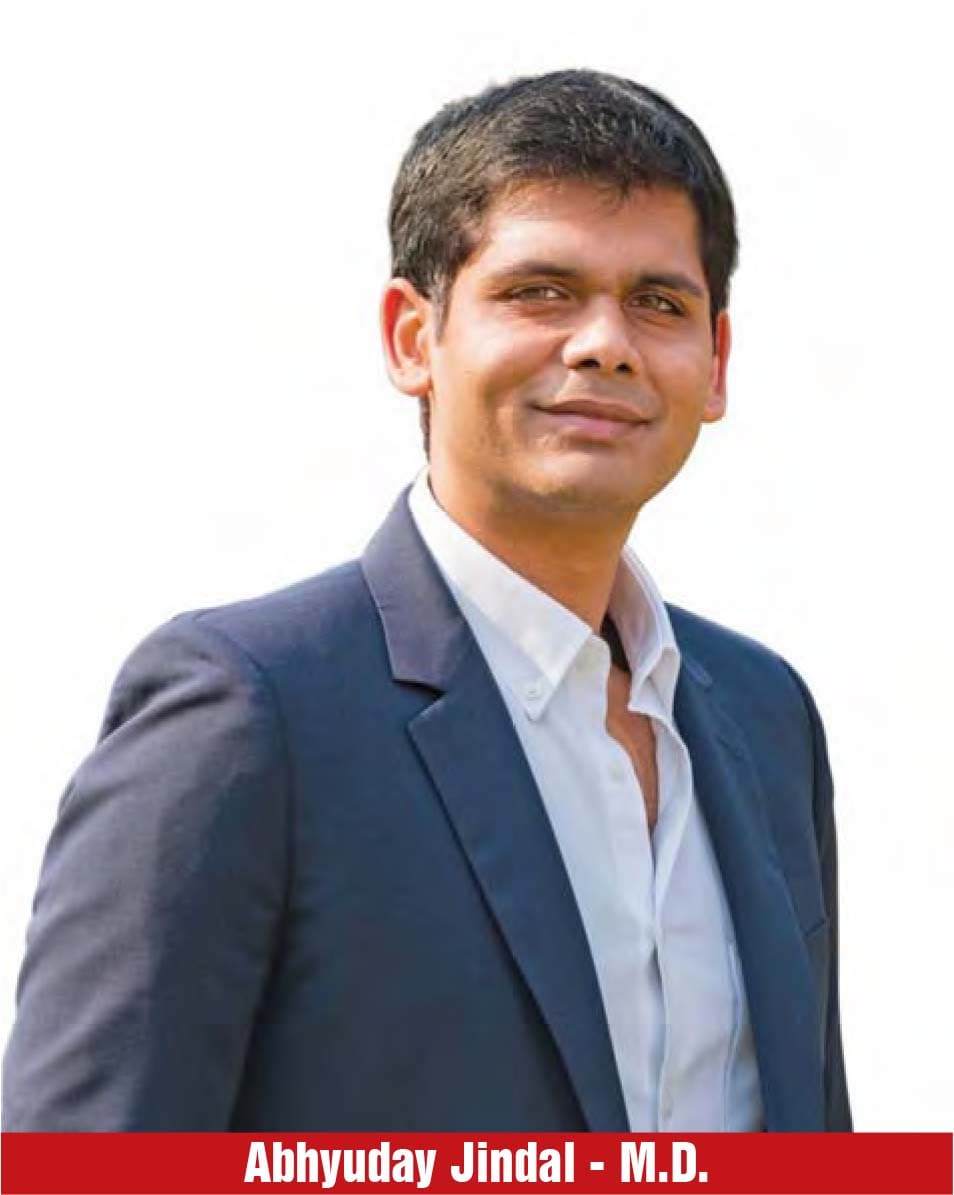
Expressing pride in the achievement, Managing Director Abhyuday Jindal said, “We are proud to support the modernisation of India’s metro infrastructure, which is central to strengthening urban mobility and aligns with the nation’s vision of building resilient and sustainable transport systems. The use of 301N austenitic stainless steel, a safer and more sustainable material, supports the sustainability goals of modern rail transport. By supplying to the Bangalore metro, we reaffirm our commitment to building safer, long-lasting, and sustainable metro networks.”
JSL has been associated with metro projects globally, including supplying stainless steel material through Alstom India for metro projects in Queensland, Melbourne and Sydney, in addition to supplying for almost every Indian metro project in India. The company has supplied stainless steel for some of the most prestigious Indian railway projects, including the Vande Bharat sleeper train, Vande Metro, Kolkata’s underwater metro, the first trainset of India’s first Regional Rapid Transit System (RRTS), and the Mumbai metro, among others. The company has been supplying stainless steel to Indian Railways since 1998 for wagons, coaches and infrastructure.
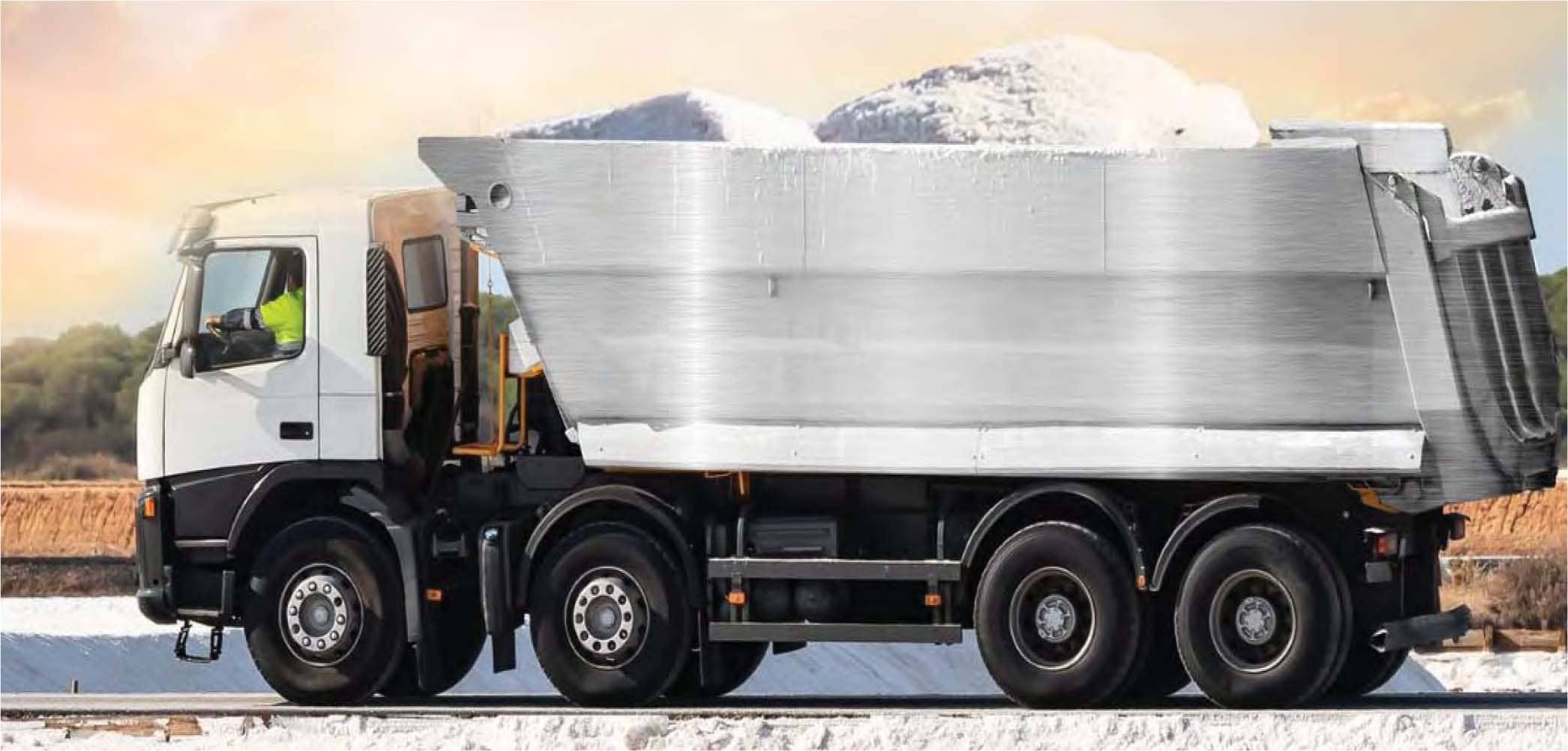
Recently, JSL unveiled the pioneering Salt Tipper Trailer at its technical conclave in Gujarat, the heart of India’s salt industry. The integration of stainless steel in salt trailers addresses long-standing challenges of corrosion, lower durability, shorter lifespan, and high maintenance costs for salt logistics players, offering them lightweight, corrosion-resistant, energy-efficient and sustainable solutions.
The company has deployed the advanced 304 & JT (N7 as per BIS 6911 specifications) grades of stainless steel, known for their superior corrosion resistance, fire resistance, and higher strength and excellent impact, for building the trailers. Traditional materials used for this application are known to corrode within 3-4 years, leading to operational downtime and high repair costs. In contrast, stainless steel trailers are estimated to offer around 25% weight reduction, which — among other factors —can result in cost savings of about Rs 25-30 lakhs over 10 years, with an expected lifespan of about 15-20 years.
While unveiling the salt trailers, Mr Jindal said, “Innovation at JSL is focused on creating solutions that transform entire ecosystems. With stainless steel salt trailers, we remain committed to driving long-term value for the industry, enabling logistics operators and salt producers to adopt a more sustainable, future-ready approach.”
As per industry reports, the Indian trailer truck market demands about 70,000 units annually to power various sectors, including salt transportation. Gujarat is a fitting launchpad for this innovation for JSL, as the state produces over 85% of India’s 33-35 million tonnes of salt annually. To ensure quality and scalability, JSL is partnering with certified fabricators and ITI-trained professionals and also collaborating with industry associations and state logistics bodies to drive adoption of stainless steel trailers.
September 30, 2026 - Combined Issue
Industry Review


VOL XVII - 13
September 16-30, 2026
Want to Subscribe?
Read Corporate India and add to your Business Intelligence
Unlock Unlimited Access
Lighter Vein

1 Year *
Subscription
Rs 1800 /-
3 Year *
Subscription
Rs 5000 /-
5 Year *
Subscription
Rs 8000 /-
5
International
Subscription
$ 99.99
Read Corporate India and add to your Business Intelligence
Popular Stories

A modern-day enigma and a ramification of humanity's never-ending advancements, e-waste refers to the scum con- cealed by the outward glow of ever-advancing technology.
Archives


Office Address
Unit No. 405, 4th floor, Madhu Industrial Park, Avadh Narayan Tiwari Marg, Mogra Village Road, Andheri (East), Mumbai – 400069.
Call/Whatsapp
If you are interested in advertising with Corporate India, please don't hesitate to contact us. Our team is here to assist you with the process and answer any questions you may have. We look forward to the opportunity to work with you and help your business reach its full potential.
Fill out the form below to subscribe to our newsletter and never miss an update