


Want to Subscribe?
Read Corporate India and add to your Business Intelligence
 Unlock Unlimited Access

Published: April 30, 2026
Updated: April 30, 2026
The formation of TTCWMA (Trans Thane Creek Waste Management Association) was not incidental — it was a necessary response to a national environmental crisis. During the 1990s, indiscriminate generation and disposal of hazardous waste had begun causing irreversible environmental damage across industrial regions in India. Recognizing the gravity of this issue, the Supreme Court, through its landmark order of October 30, 1997, constituted a high-powered committee under the chairmanship of Prof MGK Menon.
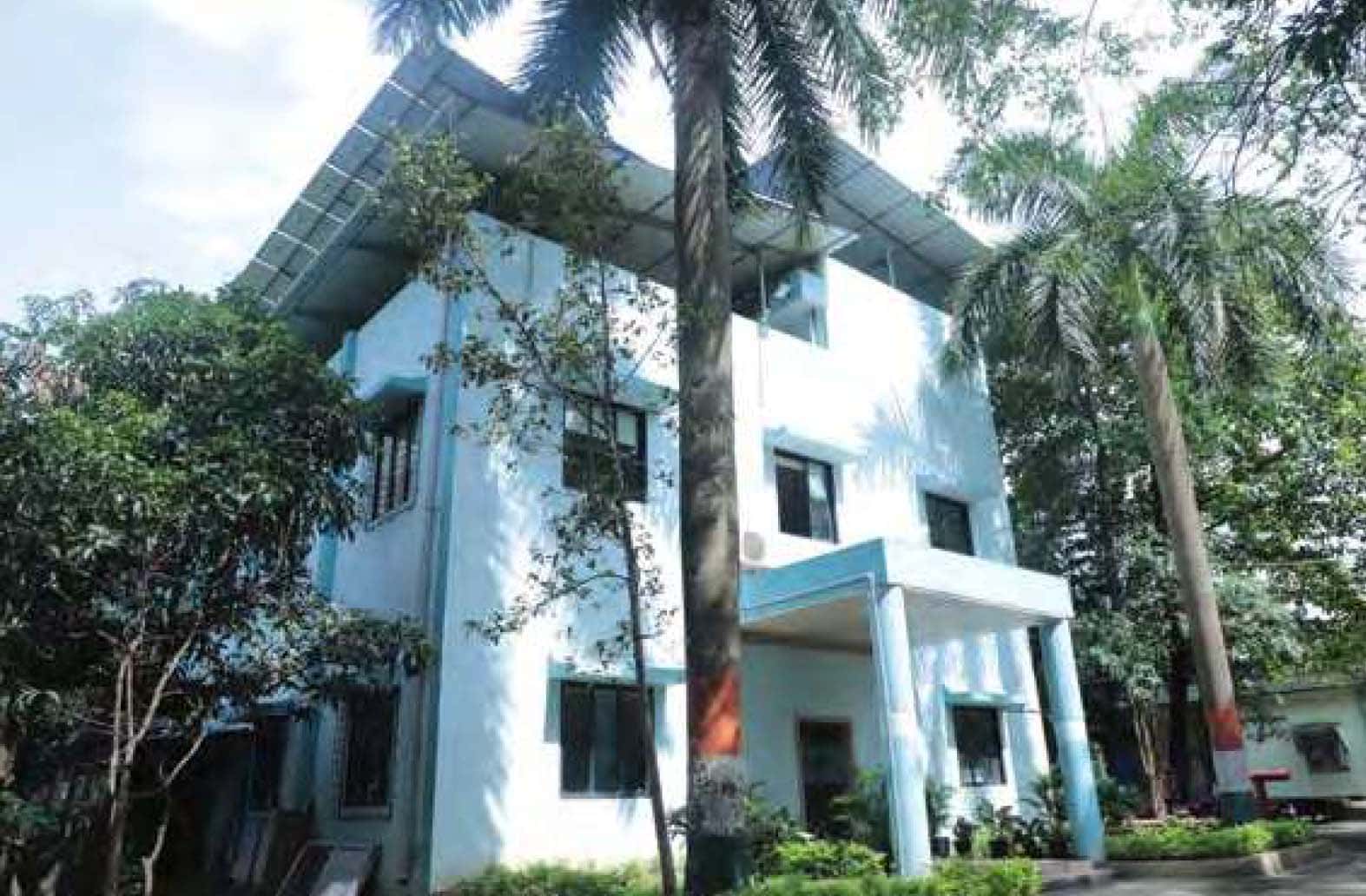
The committee strongly recommended the urgent creation of scientifically engineered hazardous waste disposal facilities across the country. The Thane-Belapur Industrial Area, being one of the largest and most diversified industrial belts, was identified as a priority region. TTCWMA was established as an institutional mechanism to address this responsibility in a structured, sustainable and compliant manner.
The role of the industrial community was pivotal. Industries in the Thane-Belapur belt had already demonstrated environmental responsibility by successfully implementing a Common Effluent Treatment Plant. Building on this experience, the Thane-Belapur Industries Association took the initiative to establish a Common Hazardous Waste Treatment, Storage and Disposal Facility. TTCWMA emerged from this collective commitment as a not-for-profit, industry-driven organization dedicated to safe hazardous waste management.
TTCWMA was incorporated on November 13, 1998 as a Section 8 (not for profit) company under the Companies Act. The project was financially supported by a one-time subsidy by the Ministry of Environment, Forest and Climate Change, Maharashtra Industrial Development Corporation and Maharashtra Pollution Control Board. The remaining 50 per cent was contributed by the waste-generating industries themselves, reflecting strong industry ownership and accountability
Site selection was conducted with utmost scientific rigour and transparency. MIDC constituted a high-powered committee comprising representatives from regulatory authorities, premier technical institutions such as IIT and VJTI, and industry associations. After extensive site inspections in the Trans Thane Creek industrial region, the committee identified an abandoned quarry with natural depressions and basaltic rock formations. Here, MIDC allotted approximately 70,000 sq m of land at Mahape for the development of an integrated waste management facility.
A comprehensive environmental impact assessment and a techno-economic feasibility study were conducted by ChemControl, a reputed Dutch environmental consultancy, in collaboration with EcoChem India. These studies evaluated environmental viability, engineering design and longterm sustainability

The reports were rigorously reviewed and approved by the Ministry of Environment and Forests, Government of India.
The existing effluent and leachate treatment systems meet all statutory requirements through primary treatment and low-temperature evaporation. However, sustainability is an evolving journey. The R&D team is continuously working to upgrade treated water quality for reuse. The association is also in the process of implementing renewable energy-based drying systems with the objective of achieving zero liquid discharge, thereby minimizing environmental impact and conserving water resources.
Environmental awareness and capacity building are integral to TTCWMA’s mission. It regularly hosts students from schools, colleges and universities who visit the facility for practical exposure, internships and project work. These interactions help build future-ready environmental professionals while fostering awareness of scientific waste management. Industrial waste circularity and renewable energy are central to TTCWMA’s future road map. It is setting up a pre-processing plant for hazardous and non-hazardous waste, where processed material will be used as alternative fuel or raw material in cement kilns, reducing dependence on fossil fuels.
On the decarbonisation front, the association is integrating renewable energy solutions such as solar PV and solar thermal systems. Additionally, it has piloted microalgal wastewater treatment technology, which enables carbon sequestration while improving wastewater quality. TTCWMA has evolved from a regulatory necessity into a comprehensive platform for sustainable waste management. Today, it provides safe disposal, advanced monitoring, regulatory compliance and innovation under one roof. Its vision is to transform TTCWMA into a resource recovery and sustainability hub — driving industrial waste circularity, renewable energy adoption and climate-resilient practices — while continuing to safeguard the environment and public health.
September 30, 2026 - Combined Issue

Industry Review


VOL XVII - 13
September 16-30, 2026
Want to Subscribe?
Read Corporate India and add to your Business Intelligence
Unlock Unlimited Access
Lighter Vein

1 Year *
Subscription
Rs 1800 /-
3 Year *
Subscription
Rs 5000 /-
5 Year *
Subscription
Rs 8000 /-
5
International
Subscription
$ 99.99
Read Corporate India and add to your Business Intelligence
Popular Stories

A modern-day enigma and a ramification of humanity's never-ending advancements, e-waste refers to the scum con- cealed by the outward glow of ever-advancing technology.
Archives


Office Address
Unit No. 405, 4th floor, Madhu Industrial Park, Avadh Narayan Tiwari Marg, Mogra Village Road, Andheri (East), Mumbai – 400069.
Call/Whatsapp
If you are interested in advertising with Corporate India, please don't hesitate to contact us. Our team is here to assist you with the process and answer any questions you may have. We look forward to the opportunity to work with you and help your business reach its full potential.
Fill out the form below to subscribe to our newsletter and never miss an update