



Want to Subscribe?
Read Corporate India and add to your Business Intelligence

 Unlock Unlimited Access

Published: April 30, 2026
Updated: April 30, 2026
The 28-km long Thane-Belapur industrial belt, the largest industrial zone in Maharashtra, is one of the earliest and most prominent industrial corridors of India and has contributed significantly to the industrialisation of the country in general and of Maharashtra in particular. Located in the Mumbai Metropolitan Region (MMR) – stretching from Thane through Navi Mumbai to Belapur, the belt was developed primurally during the 1960s-1980s as part of Maharashtra’s industrial decentralisation strategy to reduce pressure on Mumbai. According to R. M. Kedia, Vice-President of Thane-Belapur Industries Association (TBIA), today around 5,000 industrial wheels are moving in the belt, providing gainful employment to hundreds of thousands.

The belt is strategically positioned along the Thane Belapur road and is supported by strong infrastructure including highways, rail connectivity and proximity to major ports like Jawaharlal Nehru port.
TBIA, the association of industrial units operating in the belt, is managing the belt well, ensuring all facilities for smooth functioning of all industrial units established in the belt, creating and enriching the industrial climate in the belt. It plays a crucial role in supporting, coordinating and advocating for industrial growth. It also acts as a bridge between industries and government authorities like MIDC, Pollution Control Board, Municipal Corporations etc. It also works with government bodies to improve roads, water supply, drainage, power and industrial amenities in the belt.
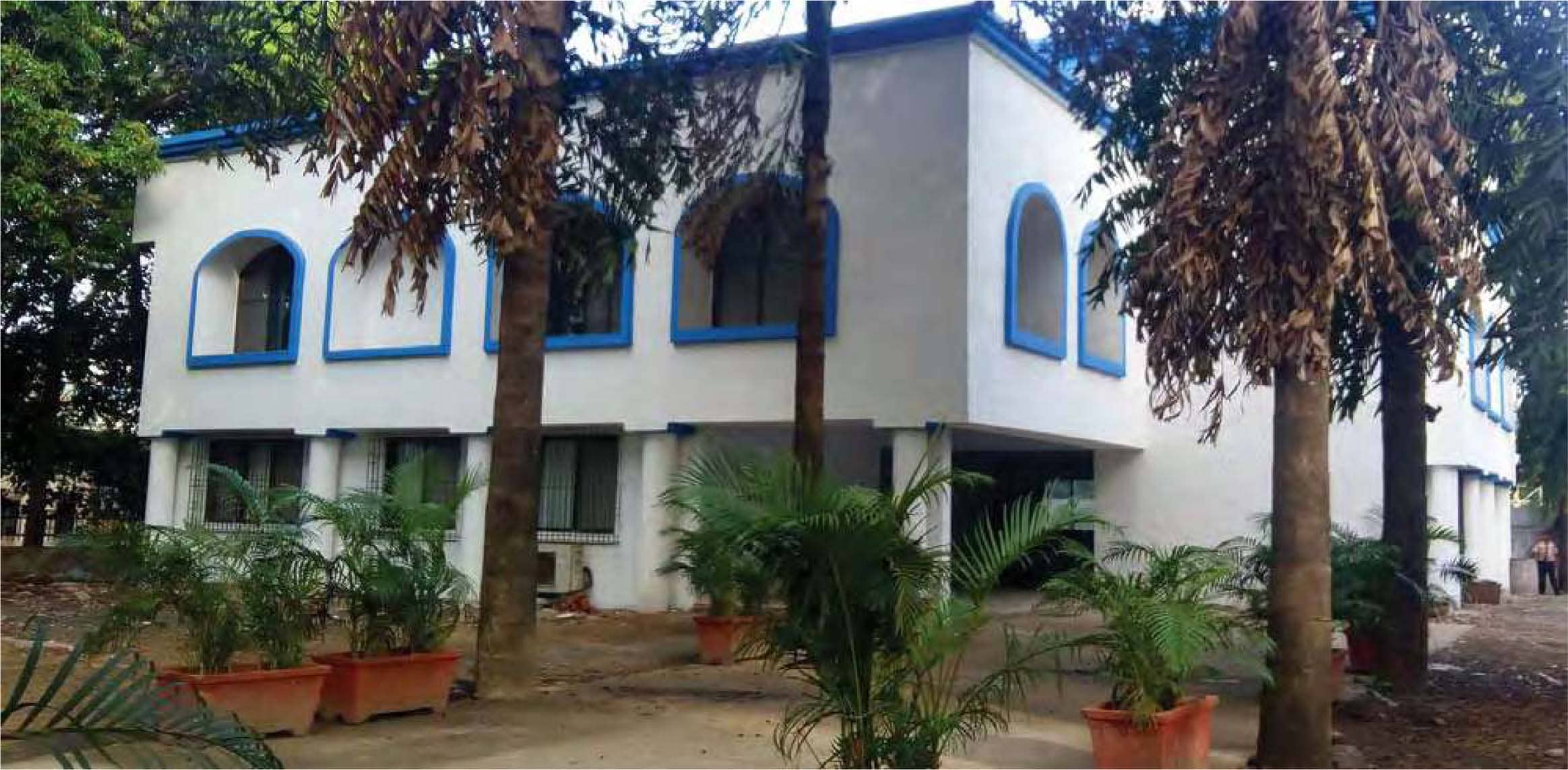
According to Mangesh Brahme, General Manager, TBIA, the association has done excellent work in maintaining the healthy conducive and sustainable industrial climate in the belt. Activities undertaken by TBIA last year will reveal the length and breadth of measures being taken by the association. TBIA publishes a bulletin every quarter, which serves as a primary communication link between the association and its members. In a detailed article, the latest quarterly magazine reveals that in its afforestation, beautification and greening drive, the association managed to create a tree plantation at Parsik Hill (by Lubrizol India Pvt Ltd.) It also arranged for planting 30 saplings at CBD Belapur (by ex-RO, MPCB, DP Patil.) It organised a visit to Dhamtan by is to examine the status of around 65,000 saplings planted in 2017. There was a 80% survival rate. TBIA members also supported the tree plantation drive by giving 30,000+ saplings to TMC for plantation at Sanjay Gandhi National Park. Tree plantation was also conducted at CETP, (Amines & Plasticizers, TBIA and NMMC-MSW) site by the MPCB RO, MIDC Engg, NMMC representative and TBIA officials.)
Beautification of a stretch of 18 km was done by MIDC at the pipeline road with trees and bushes, and with pavements and benches.
TBIA undertook a survey with industries to improve energy efficiency towards sustainability. In an attempt to provide industrial diagnostic studies for the SME units in the cluster, TBIA opened an energy clinic centre. It also commissioned an environment monitoring station. The observatory operations include weather monitoring, daily reporting, standardized setup and strategic importance. TBIA’s primary service facilities include a TBIA Fire and Emergency Response Station (F&ERS) and a Common Effluent Treatment Plant (CETP), a pioneer facility with a treatment capacity of 27 mld. TBIA has also set up the TTC Waste Management Association (TTCWMA).
A Technical Institute established by TBIA started diploma courses in industrial safety, fire safety and environmental engineering, as well as an Advanced Diploma in Industrial Safety (IT) since 1985.
September 30, 2026 - Combined Issue

Industry Review


VOL XVII - 13
September 16-30, 2026
Want to Subscribe?
Read Corporate India and add to your Business Intelligence
Unlock Unlimited Access
Lighter Vein

1 Year *
Subscription
Rs 1800 /-
3 Year *
Subscription
Rs 5000 /-
5 Year *
Subscription
Rs 8000 /-
5
International
Subscription
$ 99.99
Read Corporate India and add to your Business Intelligence
Popular Stories

A modern-day enigma and a ramification of humanity's never-ending advancements, e-waste refers to the scum con- cealed by the outward glow of ever-advancing technology.
Archives


Office Address
Unit No. 405, 4th floor, Madhu Industrial Park, Avadh Narayan Tiwari Marg, Mogra Village Road, Andheri (East), Mumbai – 400069.
Call/Whatsapp
If you are interested in advertising with Corporate India, please don't hesitate to contact us. Our team is here to assist you with the process and answer any questions you may have. We look forward to the opportunity to work with you and help your business reach its full potential.
Fill out the form below to subscribe to our newsletter and never miss an update