


Want to Subscribe?
Read Corporate India and add to your Business Intelligence

 Unlock Unlimited Access

Published: April 30, 2026
Updated: April 30, 2026
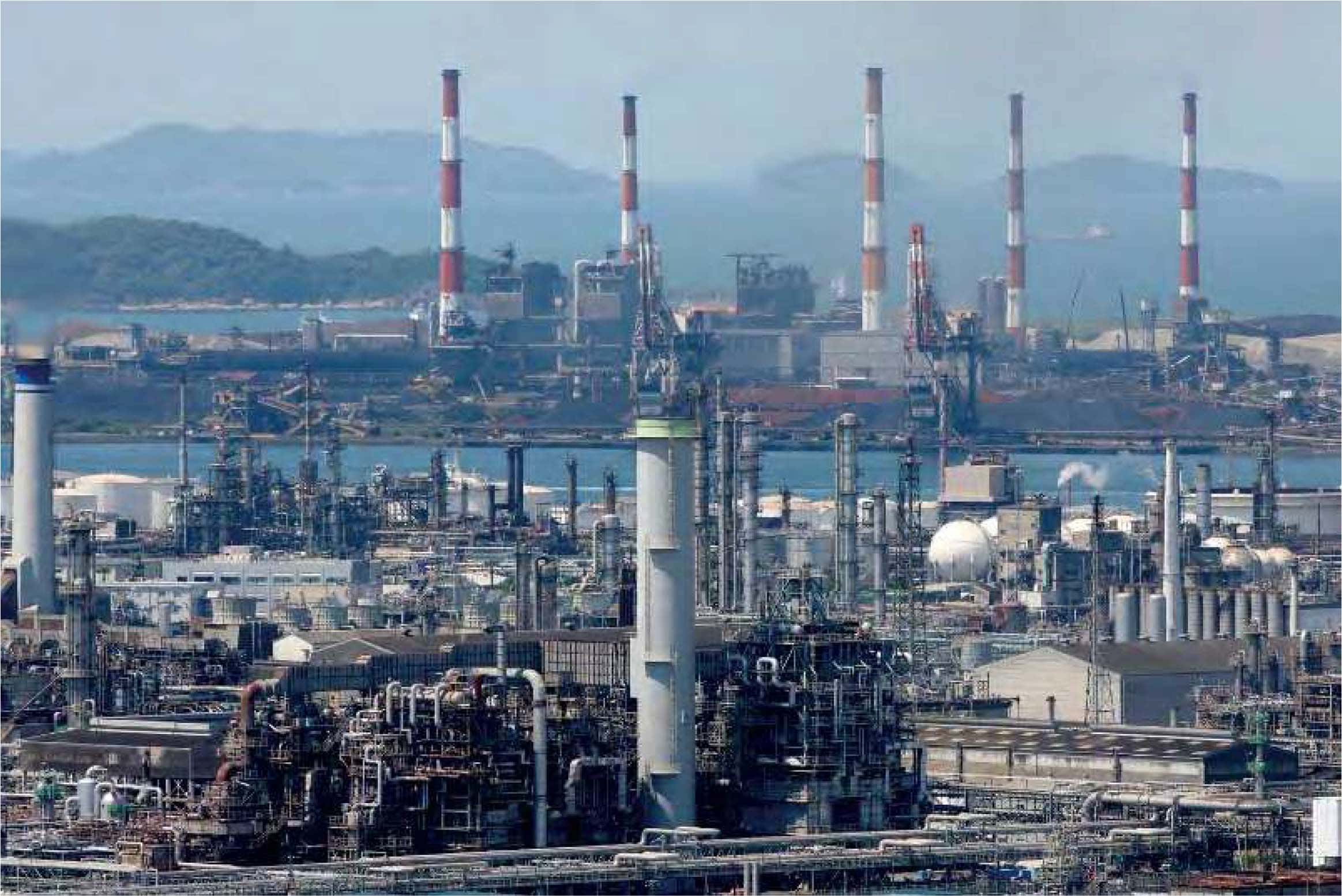
The Thane-Belapur Industrial Belt is the largest industrial belt of Maharashtra. There are about more than 5,000 industries in this belt, both large, medium and small-scale. These industries are in sectors like petrochemicals, organic chemicals, pharmaceuticals, dyes, pesticides, engineering, elecrical, fabrication, etc. These industries provide employment to lakhs of people in the Navi Mumbai area.
It is true that several large industries have closed down. Some of these have shifted to Dahej and Jagadia near Ankhleshwar and Bharuch in Gujarat. Residential and commercial complexes have come up in place of these industries. This has obviously resulted in loss of employment and has also effected industrial activity and the business environment considerably.
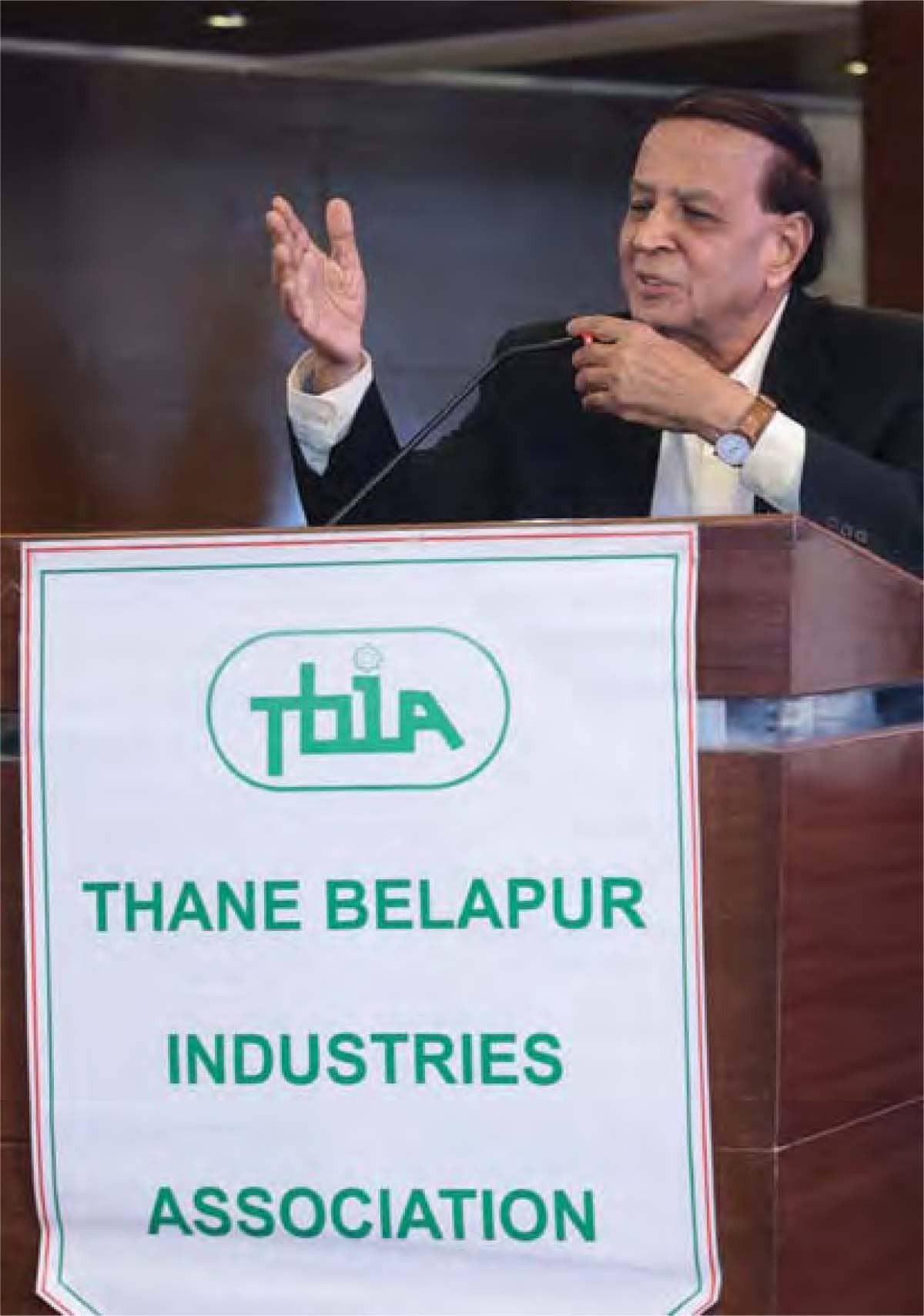
TBIA has been in the forefront of controlling pollution in this industrial velt. TBIA has also set up a Common Effluent Treatment Plant (CETP), which has received 2 Vasundara awards conferred by the government of Maharashtra through the Maharashtra Pollution Control Board.
For the environmentfriendly disposal of waste, TBIA has set up a Trans Thane Creek Waste Management Association (TTCWMA). In addition to this, individual industries have initiated measures for reduction of pollution.
tute also added an Advanced Diploma in Fire Safety Engineering (FS) in 2010, a Diploma in Fire Safety Engineering (FR) in 2010 and an Advanced Diploma in Environmental Engineering (EZ) in 2021. These courses are affiliated to Maharashtra State Board of Technical Education and recognized by Directorate of Technical Education, Govt of Maharashtra, as well as by the Department of Labour, Government of Maharashtra and Government of India.
According to Mr Brahme, “We have very competent and experienced faculty with immense knowledge of the subject and industrial experience. Laboratory training, project work and industrial visits are part of the curriculum.
TBIA also organizes training, seminars, events and workshops on various relevant subjects for members at no cost. This is a capacity-building initiative appreciated by member industries. During 2024-25, the total number of training, seminars, events and workshops conducted were 36. TBIA also organized an Industry Connect Workshop on the National Apprenticeship Promotion Scheme in association with NSDC (National Skill Development Corporation). TBIA organized a meeting with MSEDCL officials at the TBIA office at Rabale in Navi Mumbai, when 14 members were present.
A meeting with Nayan Patel, trustee of NMIMS, and Mr Murad saw a proposal of NMIMS and Karishocschule for Thane Belapur Industrial Estate modernization. The meeting was held on May 30, 2024, with 19 members present. Training on 6 major losses and OEE is essential for the manufacturing team as it helps to identify losses and improve productivity.
World Environment Day was celebrated by MPCB, MIDC & NMMC along with TBIA, with the plantation of saplings at various locations in the TTC belt. TBIA, jointly with Navi Mumbai Municipal Hospital, organised a blood donation camp. TBIA went one step ahead by deploying low carbon levels in the chemical cluster of Thane Belapur.
India has put forth climate commitments at various international fora, and is powering the future with renewable energy, accelerating sustainable mobility, fostering international cooperation, and financing the energy transition from conventional sources to green and efficient technologies. Keeping ahead of the technology curve is a matter of strategic importance for all countries, and especially for India, which will be one of the world’s largest markets for these technologies in the decades to come.
To expedite these efforts, AEEE is conducting a study in Maharashtra on the MSME sector to identify clusters where low carbon levers such as electrification of thermal processes, energy efficiency, alternate fuels, carbon capture and other cleaner technologies can be deployed. The prime objective of the study is to establish Maharashtra as a leader on climate action by adopting a low-carbon development pathway for decarbonization of the industrial sector in the state. This workshop was held on August 8, 2024 and 44 members were present.
In all chemical clusters, DISH Thane has organized training on ‘Chemical Fires — Prevention and Mitigation’. Arun Sawant from Tarapur was the speaker, and there were 85 participants.
The genesis of the industrial complex - which is also known as Trans-Thane Creek Region - is quite interesting. It was the beginning of the sixties when people as well as authorities became aware of the perils of pollution and the importance of environmental protection. As the chemicals
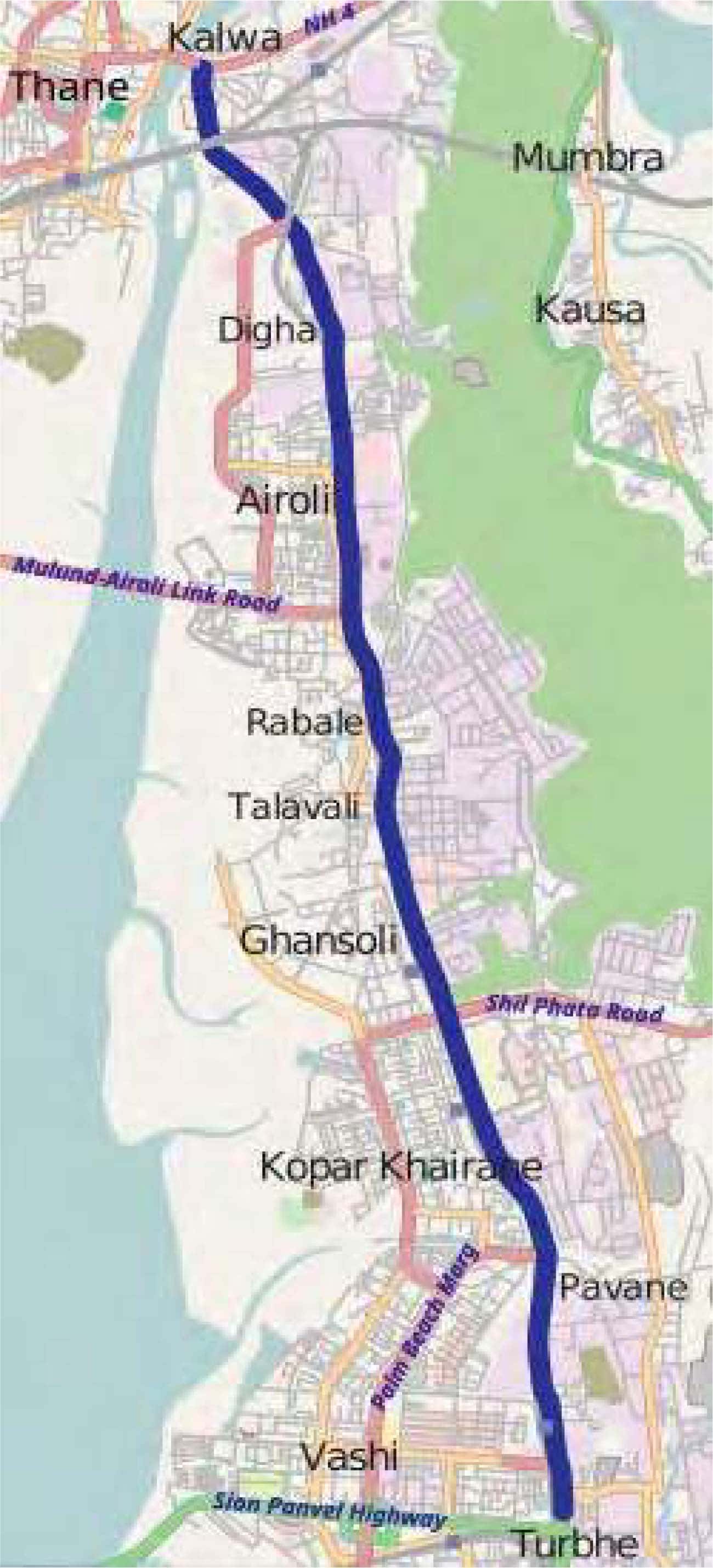
industry is a major polluting industry, the Maharashtra government decided to create a separate zone for it far from Mumbai and shift all chemicals companies there so that no harm came to the public. The industries department of the Maharashtra government, along with related organisations, started the search for an area where a chemicals zone could be set up. After examining various areas, they hit upon the Thane Belapur industrial belt which was quite far from the residential areas of Mumbai. Having selected the 28-km Thane Belapur tract, the government laid down a road from north to south - from Thane to Belapur - and earmarked the eastern side of the road up to the hills for all chemicals factories while deciding to keep all residences on the western side right up to the creek. Thus, for almost eight to ten months in a year, it was virtually ensured that airborne pollutants would not be carried into the residential areas and certainly not into Mumbai/Thane cities.
Having decided the location, the Maharashtra government, in pursuance of its policy to decongest Mumbai, started persuading chemicals companies to put up their new units in the Thane Belapur belt besides shifting their existing units to this location. Interestingly, the Indian affiliate of multinational giant ICI (India) set up the first plant in the area, followed by Mafatlal group companies like NOCIL, PIL and Standard Alkali. Bharat Bijlee, Siemens, Indian Aluminium, Mukand and NMM were among the first to set up their units in the extreme north end of the belt. Various studies during the period 1960-1965 showed that the TB belt had several advantages over other locations in setting up petrochemical complexes.
1) These include all, the area was close to the sea and could therefore provide a convenient outlet for the discharge of treated effluents. 2) The belt was away from Mumbai city and hence would serve the purpose of moving industries away from the residential areas of Mumbai. 3) The size of the area was large enough to ensure that the setting up of a number of chemicals units there could lead to economies of scale in production and expansion, at least for the next 50 years or so.Realising that a number of chemical companies have come up and many more are on the way and the 28 km stretch in the Thane Belapur area was being transformed into a modern industrial complex, that too mainly by the highly polluting chemicals industry, and keeping the safe growth of the area in mind, a dozen like-minded industrialists who had set up shop in the belt met on the 31st Independence Day under the chairmanship of MD Dhamankar, Managing Director of HICO Products. Present in the meeting were RM Kedia of Kedia Chemicals, MP Patel of Gaurav Chemicals, MK Kothari of Jaychem Dyestuff, BA Agarwal of Amines and Plasticizers, RN Fotedar of New Reshma Dyeing and Sanjay Shah of Star Chemicals, among others.
The major objectives of the association were clear - developing the TTC industrial complex as an ideal industrial complex, ensuring balanced growth of the area with proper infrastructure facilities, working for favourable conditions for the growth of the industries in the belt, striving for good industrial relations, and, not the least, working towards inculcating safety consciousness among members and spreading the message of a voluntary safety audit with the active participation of all members. Points out Mr. Bipin Shah with a glint in his eyes.
"Please note, this forward-looking safety audit model was in vogue in this belt even before the disastrous Bhopal gas tragedy played havoc in Madhya Pradesh and rocked the country."
What is more, after the Bhopal tragedy TBIA went a step ahead and took it upon itself to update the industries' pollution monitoring technology and it is to the credit of TBIA that during the last 40 years, no major accidents have taken place and no significant emergency situation has occurred. "This speaks volumes about the imaginative planning and sincere efforts of the association in protecting and furthering the interests of its belt as well as its members," maintains R M Kedia, VicePresident, TBIA.
The story of the last four decades of the Thane Belapur industrial belt is a fascinating one. Reminisces V Ramadurai, a past President of TBIA, "It is very interesting to know how the Trans Thane Creek area took shape, how it grew in the face of so many odds, how it has become the largest chemicals industrial belt in the country, how a variety of chemical products are being manufactured in this belt, from petrochemicals to polyester fibres, life-saving drugs to pharmaceuticals, rubber chemicals to leather chemicals, polystyrene foam to phenol and phthalic anhydride, caustic soda and chlorine to dyes, pigments and dye intermediates, a wide range of petroleum additives, chemicals used for batteries, as well as steel and aluminium foil, lifts, electric motors, transformers, bulbs, fluorescent tubes, precision nuts and bolts, food and beverages, electric gadgets and
TVs, how the belt's turnover shot up to Rs 25,000 crore before coming down to stabilise around Rs 10,000 crore and how exports accounted for about 15 per cent of that."
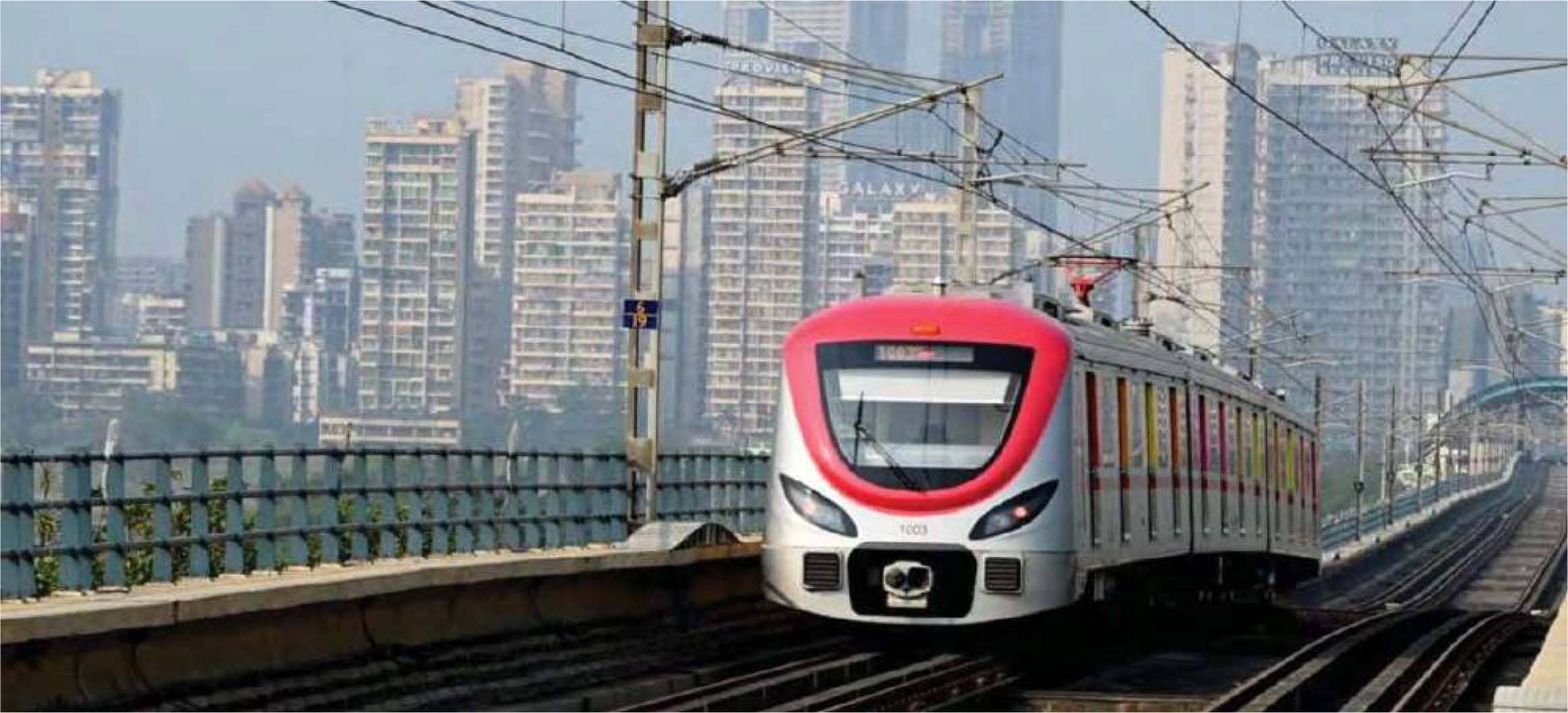
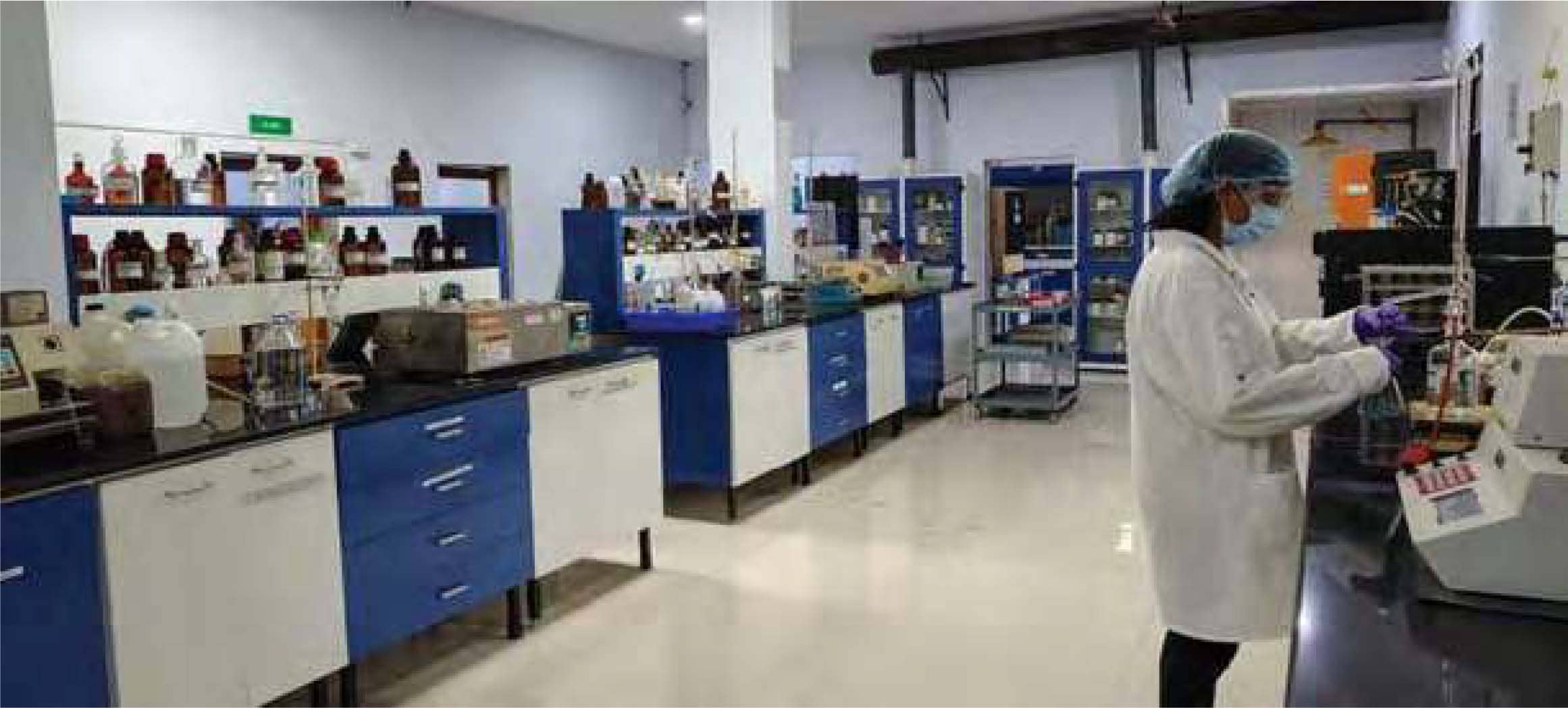
With a view to arresting the increase in liquid effluents generated by the large number of manufacturing units, TBIA took an imaginative and effective step by setting up a Common Effluents Treatment Plant (CETP). Interestingly, even as the World Bank is still promoting CETPs under its pollution prevention programme as a viable solution to control industrial pollution, TBIA had set up the CETP in 1994 which is doing an excellent job and has been praised by one and all. In fact, it has been adjudged as one of the best plants in effluent treatment in the country. Says Bipin Shah, "Our members are making the best efforts in this treatment as well as flue gas emissions to meet the standards laid down by the authorities. The association is also a catalyst in developing a dialogue between industries and the government to overcome difficulties and achieve the ultimate goal of ensuring a clean environment."
According to TBIA Vice-President MR Kedia, "Sometime around 1990, the Garg committee headed by Dr Garg, a renowned scientist from BARC, was appointed by the Maharashtra government to carry out an extensive survey of the status of pollution in the Thane Belapur Industrial Area. According to the Garg committee report, the TTC industrial area was declared one of the most polluted of its kind. TBIA took up the challenge to reverse this negative perception about our industrial area.
Several meetings were held with member-industries to find ways and means to improve the environment. Also, meetings were held with Dr Garg and MPCB officials. Seminars and workshops were conducted to create awareness about the environment. Large, medium and small-scale units wholeheartedly participated in these programmes." He adds, "Within a short period of 6-12 months, the perception about our industrial area changed to positive. Praise was received from MPCB, Dr Garg and others concerned about the environment."
Pointing out that TBIA strongly supports the concept of corporate social responsibility, Mr Shah says, "In order to support the Prime Minister's Swachchta Abhiyan, we had undertaken an ambitious programme to set up toilets in the belt in a big way, and our members have contributed funds liberally for the programme so as to spread the message of cleanliness in the belt. Likewise, in order to improve the environment and add greenery in the belt, we regularly undertake plantation of trees every year. By now, almost 1.2 million trees have been planted in the belt and the exercise continues."
Adds, Mr. Kedia "Of course, the growing opposition of envi ronmentalists, which in turn can be attributed to the speedy growth of residential complexes, that too in a chemicals zone, government apathy to this rampant construction activity, step-motherly treatment by the authorities, the increasing burden of taxation and the economic slowdown have slowed the pace of growth of the industrial belt. But despite these woes, TBIA has not thrown in the towel. Well aware of the innate economic clout of the belt and the inclination of the government to encourage growth of the chemicals industry in the area, the association remains actively involved in extending all help to units in the belt. TBIA is in fact all set to launch a drive to enroll all units in the belt -- large, medium and small -- as its members.
Asserts an ever-optimistic Bipin Shah, "The Thane Belapur industrial belt is the largest and the best chemicals industrial zone in the country and we will continue to strive to maintain its standing in the days to come."
Moving ahead, with time TBIA installed and commissioned a common effluent treatment plant (CETP) in our industrial area in 1997. TBIA was the first to commission a CETP in Maharashtra. There were doubts in the minds of some of us about the success of the CETP. All those doubts vanished after the successful commissioning of the CETP. Today our CETP is considered one of the best operational CETPs in Maharashtra. CPCB, MPCB and MOEF officials make it a point to visit our CETP whenever they are in this area. Our CETP has also received the 'Vasundhara Green Award' from MPCB twice in the past.
The effluent handling capacity of our CETP is 27 million litres per day. The COD/BOD parameters of the treated effluent are well within the parameters prescribed by MPCB. The membership of our CETP is more than 3,500. The CETP is yet another shining success story of TBIA towards environment protection.
August 31, 2026 - Second Issue

Industry Review


VOL XVII - 12
August 16-31, 2026
Want to Subscribe?
Read Corporate India and add to your Business Intelligence
Unlock Unlimited Access
Lighter Vein

1 Year *
Subscription
Rs 1800 /-
3 Year *
Subscription
Rs 5000 /-
5 Year *
Subscription
Rs 8000 /-
5
International
Subscription
$ 99.99
Read Corporate India and add to your Business Intelligence
Popular Stories

A modern-day enigma and a ramification of humanity's never-ending advancements, e-waste refers to the scum con- cealed by the outward glow of ever-advancing technology.
Archives


Office Address
Unit No. 405, 4th floor, Madhu Industrial Park, Avadh Narayan Tiwari Marg, Mogra Village Road, Andheri (East), Mumbai – 400069.
Call/Whatsapp
If you are interested in advertising with Corporate India, please don't hesitate to contact us. Our team is here to assist you with the process and answer any questions you may have. We look forward to the opportunity to work with you and help your business reach its full potential.
Fill out the form below to subscribe to our newsletter and never miss an update