


Want to Subscribe?
Read Corporate India and add to your Business Intelligence

 Unlock Unlimited Access

Published: August 31, 2026
Updated: August 31, 2026
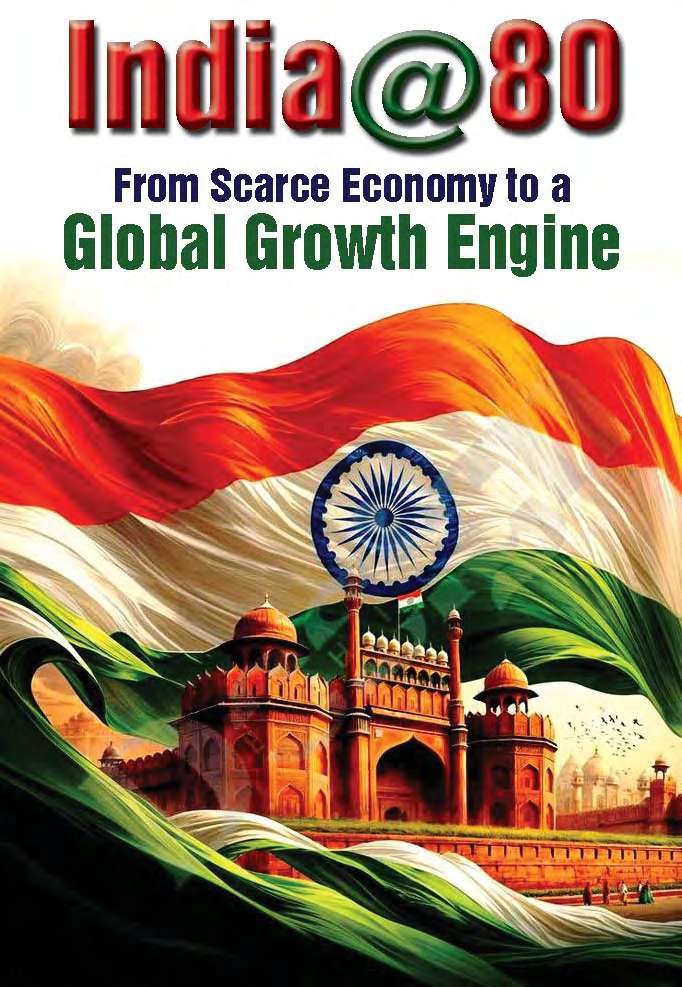
Eighty years after emerging from the death throes of British rule, India has risen to become a Rs 348-lakh crore economy, the sixth largest globally and the third-largest economy by Purchasing Power Parity (PPP). But societal speedbreakers continue to mar its progress.
The economic ideal of shared prosperity remains elusive for vast sections of the populace. While the top echelons of India Inc command global markets and headlines, and the list of Indian billionaires grows longer and longer, major segments of the population remain either unemployed, underemployed or below subsistence levels.
As India makes the final, two decade-long surge towards its Independence centenary in 2047, the fundamental question of economic benefits reaching its most disadvantaged sections remains.
And within the economy, sectoral imbalances continue, with agriculture and manufacturing being laggards, and pharma and hi-tech sectors depending largely on China for their raw materials. To cap this negative side of today’s India, the decades-old bane of red tape continues to be alive and kicking.
On August 15, 2026, India entered the 80th year of its independence. On that historic mid-August night in 1947, the then Prime Minister Jawaharlal Nehru’s iconic address spoke of a “tryst with destiny”, a solemn vow to end poverty, ignorance, disease and inequality of opportunity.
In its 78 years of freedom, India has traversed an arduous, as well as exciting, path of growth from a struggling, fledging economy to one which is a global economic powerhouse today. While first Prime Minister Jawaharlal Nehru had to resort to building up public industry from scratch, the 1990s miracle-maker duo of Prime Minister Narasimha Rao and Finance Minister Manmohan Singh opened up the economy and set India on the LPG (liberalising, privatising and globalising) road to take India to economic superstardom. Corporate India traces this amazing national journey and the key policies and personalities that made it possible.
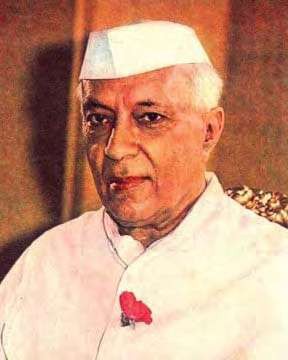
Jawaharlal Nehru
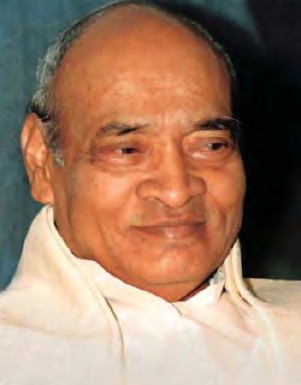
Narasimha Rao
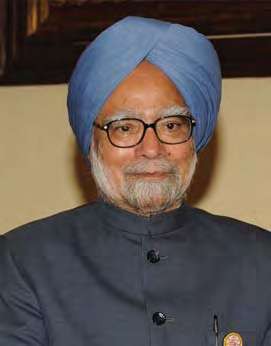
Dr Manmohan Singh
As many as 78 years have passed since the extraordinary call to the nation from our first Prime Minister, a speech which harked back to the country’s pre-independence past and looked forward to a triumphal future. The past three-quarters of a century after Nehru’s speech can – without exaggeration – be termed the most incredible era in the hoary history of India. First the Mughals and then the British sapped the country of its age-old economic strength. The country’s condition after independence was pathetic – people had no food to eat and India had to beg the US for red wheat – that was unfit for human consumption – under PL 480.
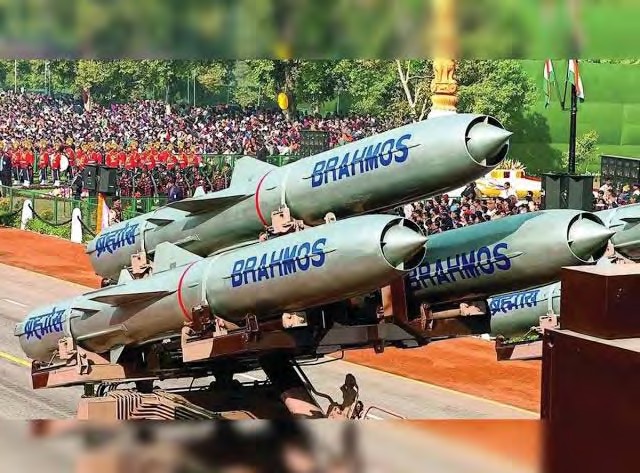
Before independence, India was economically strong. In 1700, India contributed 22.5% to the world economy, which was reduced to only 3.8% by 1952. British colonial rule had sapped India economically, while other socio-economic parameters like industry, literacy, life expectancy and healthcare were abysmally low. There were no big industries in the country, and the private sector was literally absent. Agriculture was the main economic activity but land was tilled in primitive fashion. The yield per acre for almost all crops was extremely low as compared to most other countries. Industrial units were relatively small.
It was an extremely difficult task for Nehru and his team to improve the economy which was in a shambles, as there were no funds for industrialising the country, modernising agriculture and improving standard of life of the people, while poverty was rampant. There were raw materials but no industries to use them. For example, India was growing cotton abundantly but the British rulers would export this cotton to the UK and import finished fabric to meet Indian needs. Realising the absence of industrialisation and a private sector, Nehru initiated the setting up of big industries in the public sector, choosing the socialistic path to take the economy out of the woods – a path that was innately slow.
Eighty years later, the macroeconomic numbers tell a story of an economic superpower in the making. India has risen to become an over Rs 348-lakh crore economy in nominal terms. It is the sixth largest globally and holds the prestigious rank of the third-largest economy by Purchasing Power Parity (PPP). Yet, behind these staggering figures lies a deeply nuanced landscape: a collection of grand promises fulfilled alongside profound societal milestones that are yet to be achieved.
The central economic promise of independent India was simple: self-reliance and shared prosperity. In many ways, the foundational blueprint succeeded. A nation once broken by colonial ‘extraction’, prone to catastrophic famines and dependent on foreign food aid has transformed itself into a major engine of global economic growth.
However, evaluating the economy purely through the lens of headline growth reveals a stark paradox. The promise of equitable distribution remains unfulfilled. While India’s corporate titans command global markets and the country boasts one of the fastest-growing billionaire cohorts, massive segments of the population remain tethered to subsistence or vulnerable employment.
The economic model has produced spectacular pockets of excellence but has struggled to achieve the broad-based, structural transformation needed to pull the final, stubborn millions fully out of vulnerability. As the republic enters its ninth decade, the fundamental question persists: How can a country sustain an enviable 7.1% quarterly growth rate while navigating deep fractures in job creation, human capital and industrial cohesion?

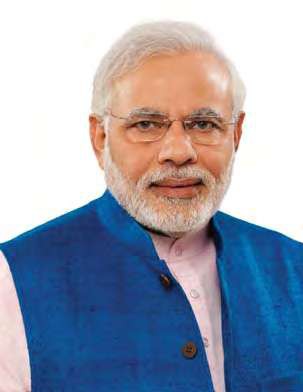
Narendra Modi

Dr Kurien Vergiese
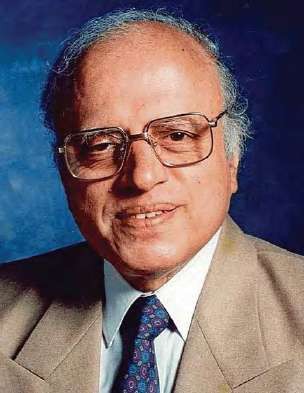
M S Swaminathan
To understand how India built its present economic leverage, one must look at the structural pivot point of 1991. The decades between 1947 and 1990 laid the heavy foundational architecture: State-backed steel plants, dams, public universities and research institutions like the Indian Space Research Organisation (ISRO) and many other organisations of repute. But it was the dismantling of the restrictive Licence Raj through the historic 1991 economic liberalisation policies that unshackled private enterprise and catalysed 35 years of explosive, dynamic modernisation.
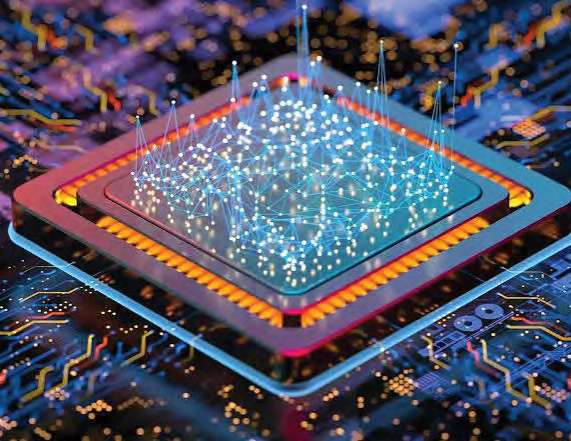
In 2026, despite intense global headwinds, including a protracted West Asia conflict and elevated international crude oil prices fluctuating above $90 a barrel, India’s macroeconomic fundamentals remain remarkably resilient. The Reserve Bank of India (RBI) has navigated these external supply shocks with a firm hand.
Retail inflation measured by the Consumer Price Index (CPI) in July 2026 hovers at 4.45%. While this is slightly above the central bank’s medium-term anchor target of 4%, it sits comfortably within the official 2% to 6% tolerance band, preventing the kind of runaway cost-of-living crises seen in other major emerging markets. This stability has kept the nation’s full-year growth projection for the current financial year (FY27) firmly anchored around 6.8%. However, a surge in the Wholesale Price Index (WPI)-based inflation at 9.78% in July 2026 points to the risks that could impact growth.
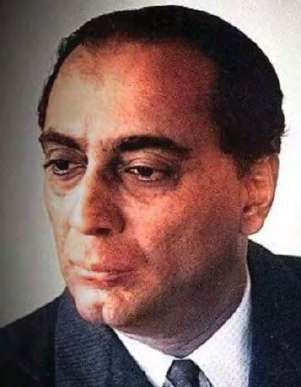
Homi Bhabha

Vikram Sarabhai

Sunita Williams
One of the most visible triumphs of the liberalised era is the dramatic expansion of physical and digital assets. The nation is adding thousands of kilometres of access-controlled national highways annually. Mega logistics corridors, modern deep-water ports and a comprehensive overhaul of the railway network via high-speed train infrastructure have drastically reduced internal freight friction.
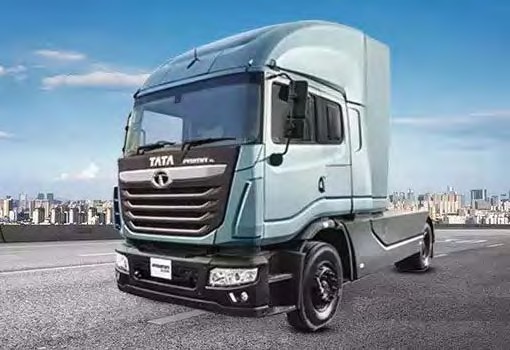
Hydrogen Truck
India’s digital architecture is globally recognised. Built on the foundational India Stack (Aadhaar, e-Sign and the Unified Payments Interface or UPI), the digital public infrastructure (DPI) has democratised access to the financial system. Micro-merchants in remote villages process instant digital payments daily, driving a formalisation of the economy that traditional brick-and-mortar initiatives could never achieve alone.


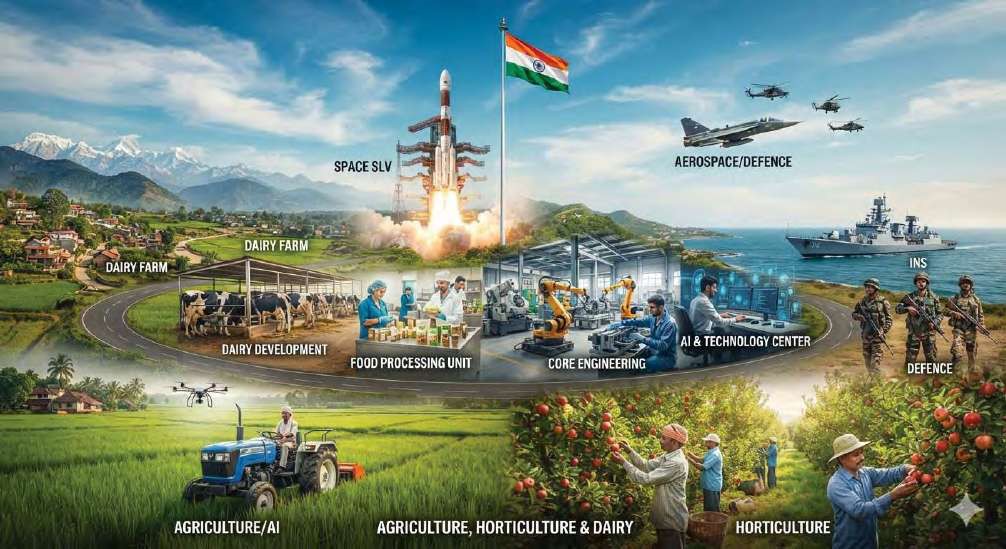
Over the 35 years spanning 1991 to 2026, several key industries have evolved from domestic suppliers into formidable global players. Rapid developments in the information technology (IT) industry have transitioned India from a low-cost, back-office coding centre into a massive technology ecosystem. India is now a hub for global capability centres (GCCs), advanced cloud computing, enterprise software development and specialised engineering research.

The country has rightly earned the title of the ‘pharmacy of the world’. The pharmaceutical industry provides affordable generic formulations, vital vaccines and active medical therapies across both advanced Western economies and the Global South.
India has consolidated its rank among the world’s top three automotive markets. It functions as a primary production ecosystem for compact vehicles, two-wheelers and rapidly expanding electric vehicle (EV) supply chains.
The country features globally competitive production capacities in high-grade steel, complex basic chemicals and large-scale petrochemical refining operations. India is also making giant strides in new-age and sustainable industries, such as semiconductors, high-end electronics, renewable energy and the like.
| Indicators | India during Aug 15, 1947 to Dec 31, 1950 | India Today |
|---|---|---|
| Economic Model | State-led planning | Mixed market-centred economy |
| Main Economic Sector | Agriculture | Services; large diversified industrial base |
| Industrial Base | Negligible | High |
| Global Integration | Very low | High |
| IT Industry | Non-existent | Global competitive advantage |
| Digital Payments | None | Global-scale digital system |
| Forex Position | Chronic shortage | Large reserve of US$ 740.80 bn |
| Food Security | Highly vulnerable | Broadly self-sufficient in cereals |
| GDP | Very small | Around US$ 4 trillion |
| GDP Per Capita | Around US$ 5 | Around US$ 2,800 at present |
| Services Share | Negligible | About 51% of nominal GDP |
| Growth Potential | Very low | About 7% medium-term potential |
Despite these clear successes, an honest evaluation of the economy at 80 reveals deep structural fault lines. The rewards of liberalisation have not been distributed evenly, creating a lop-sided, K-shaped reality where a high-tech, capital-intensive economy coexists alongside deep socio-economic challenges.
The most critical challenge facing modern India is its employment landscape. While the headline national unemployment rate shows structural improvement at 5.1%, the metric obscures a severe crisis among younger demographics.
Data from the State of Working India 2026 report, released recently by The Centre for Sustainable Employment at Azim Premji University, highlights that youth unemployment (ages 15-29) remains stubbornly high near 10%. More alarming still is the trend of unemployment among young graduates aged 15 to 25 which hovers near 40%. A recent landmark NITI Aayog study, Reimagining Skilling for Viksit Bharat@2047, reveals a sharp mismatch in the labour market. It adds that only 8.25% of working graduates hold positions that match their formal academic qualifications.
Figures put out by the Ministry of Skill Development Entrepreneurship and the Centre for Monitoring Indian Economy (CMIE) point to the dismal state of Indian skilling. Only a minuscule 4.69% of the total Indian workforce has undergone formal skill training. The numbers related to India pale miserably compared with that of a whopping 96% in South Korea, around 80% in Japan, 75% in Germany and about 45% in China.
This reflects a fundamental systemic gap. Primary, secondary and tertiary educational institutions continue to prioritise rote memorisation over market-ready, practical skills. Consequently, millions enter the workforce without basic competencies in applied problem solving, clear professional communication or functional technical literacy. With the clock ticking on India’s demographic dividend, the window to leverage this young population before it transitions into an ageing demographic is closing quickly.
Meanwhile, the structural architecture of the economy remains unevenly balanced. Agriculture is still waiting for comprehensive modernisation. While it absorbs nearly 45% of the total domestic workforce, it contributes just about 16% to the national gross value added (GVA). Hindered by fragmented, small plots, inefficient supply chains and rising climate vulnerabilities – such as intense, unseasonal El Niño weather cycles – rural consumption remains volatile and exposed to distress.
Despite aggressive policy pushes, manufacturing output has hovered stubbornly around 17% of the Gross Domestic Product (GDP). It woefully falls short of the long-standing 25% target envisioned under national industrial blueprints. While the total industrial output is on track to cross a little more than Rs 76 lakh crore, India accounts for roughly 3% of global manufacturing output compared to China’s dominant share of approximately 28%.
Moreover, critical industrial sectors remain dependent on imports from China. The pharmaceutical sector relies on Chinese manufacturers for nearly 70% of its active pharmaceutical ingredients (APIs). Similarly, electronics assembly, renewable solar energy production and the EV sector remain vulnerable to disruptions in Chinese supplies of semiconductor microchips, solar wafers and processed rare earth minerals.
Despite improvements in high-level rankings, the day-to-day business environment remains burdened by regulatory hurdles. Land acquisition is complex, contract enforcement faces extensive delays in a backlogged judicial system, and compliance requirements create significant friction for micro, small and medium enterprises (MSMEs) as well as large industries and other enterprises.
India’s rapid urban growth is frequently unplanned. Cities face recurring challenges from seasonal flooding, severe air pollution, overextended drainage systems and depleted water tables. These issues lower industrial efficiency, degrade public health and impose hidden costs on the broader economy.
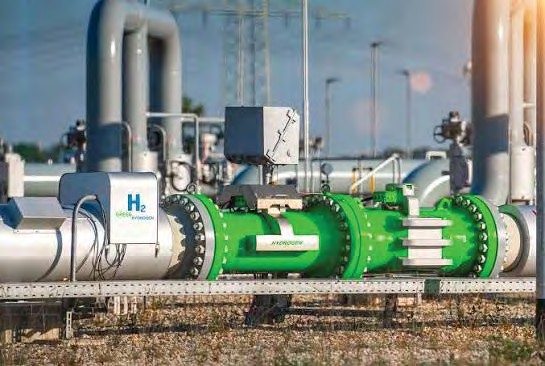
The global trading environment is becoming increasingly hostile. Rising protectionism across the developed world, trade fragmentation and ongoing geopolitical conflicts have disrupted traditional export routes.
Artificial Intelligence (AI) presents both an opportunity and a risk. While it offers software firms a tool to climb the value chain, it poses a direct threat to entry-level white-collar employment, such as basic business process outsourcing (BPO), tech support and routine software testing.
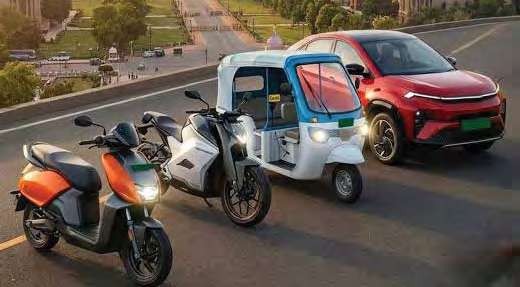
Electric Vehicles
For India to transcend its hurdles and transition from an economy of potential into an industrial powerhouse, it must move past incremental fixes and implement bold, structural reforms. India must fundamentally decouple employment viability from formal degrees. Following the recommendations of the NITI Aayog, vocational and applied technical training should be integrated into public and private school curriculums starting as early as Class VI.
Educational funding must pivot towards building practical competencies: data analytics, specialised industrial automation, healthcare services and language training tailored for global markets.
Concurrently, public spending on basic healthcare must scale upward to shield low-income households from out-of-pocket medical expenses which remain a major driver of economic vulnerability.
To boost manufacturing beyond the 17% GDP mark, the benefits of the Production Linked Incentive (PLI) schemes must extend past corporate conglomerates down to small-scale MSME ecosystems. India needs to aggressively fund domestic research and development to build local production capabilities for core inputs, such as active pharmaceutical materials, chemical precursors and basic electronic components.
Moving manufacturing facilities out of overcrowded urban centres into tier-II and tier-III urban clusters will help lower operational costs, distribute employment opportunities more evenly and prevent further strain on major cities.
Enhancing contract enforcement requires dedicated commercial courts, expanded digital legal infrastructure and streamlined regulatory processes to reduce delays for businesses. Besides, urban development must incorporate strict environmental standards. Municipal investments should prioritise resilient public transit, green construction codes, water-recycling infrastructure and decentralised waste management to ensure long-term, viable growth.
Rather than resisting automation, the domestic tech ecosystem must deploy localised AI applications across agriculture, healthcare delivery and small-business logistics to boost productivity and open up new service sectors.
Independent India’s eight-decade economic journey can be put in perspective at a glance through the following series of questions, whose answers (in hindsight) seem (almost) self-evident:
| In 1947 | How can India become self-sufficient? |
| In the 1980s | How can India grow faster? |
| After 1991 | How can India compete globally? |
| After 2000 | How can India become a major global economic power? |
| Today, in 2026 | How can India convert economic scale into developed-country living standards for 1.5 billion Indians? |
Corporate India readers can chip in with their views on what went wrong, what could have been done better, and, more pertinently, what needs to be done for the future of the most populous nation on the planet.
At 80, India stands at a critical crossroads. Its macroeconomic foundation is stable, its digital innovation is world-class and its young population offers a powerful demographic advantage. If the nation can successfully pivot from generating aggregate wealth to building deep human capability, modernising its regulatory frameworks and addressing its industrial weak spots, it will do more than just manage its challenges. It will secure its position as a leading global economic powerhouse for the next century.
August 31, 2026 - Second Issue

Industry Review


VOL XVII - 12
August 16-31, 2026
Want to Subscribe?
Read Corporate India and add to your Business Intelligence
Unlock Unlimited Access
Lighter Vein

1 Year *
Subscription
Rs 1800 /-
3 Year *
Subscription
Rs 5000 /-
5 Year *
Subscription
Rs 8000 /-
5
International
Subscription
$ 99.99
Read Corporate India and add to your Business Intelligence
Popular Stories

A modern-day enigma and a ramification of humanity's never-ending advancements, e-waste refers to the scum con- cealed by the outward glow of ever-advancing technology.
Archives


Office Address
Unit No. 405, 4th floor, Madhu Industrial Park, Avadh Narayan Tiwari Marg, Mogra Village Road, Andheri (East), Mumbai – 400069.
Call/Whatsapp
If you are interested in advertising with Corporate India, please don't hesitate to contact us. Our team is here to assist you with the process and answer any questions you may have. We look forward to the opportunity to work with you and help your business reach its full potential.
Fill out the form below to subscribe to our newsletter and never miss an update