



Want to Subscribe?
Read Corporate India and add to your Business Intelligence

 Unlock Unlimited Access

Published: March 31, 2026
Updated: March 31, 2026
The ongoing West Asia war between Israel-US and Iran, which has completed one month, has profoundly impacted the economic landscape of India. The country is now grappling with a severe LPG crisis, while crude oil prices have started an upward journey and are fuelling the inflationary price spiral. The rising crude oil prices -- which have almost doubled from $ 65 to $120 within the first month of the war -- will push up the current fiscal deficit. Besides, industries which depend on imported fuel or petrochemical inputs like ceramic tiles, plastics, chemicals, fertilisers, synthetic fibre and packaging materials have been forced down to slow down. If the war drags on, many of them will have to roll down shutters, adding to the already severe unemployment situation in the country. Thanks to the war, low-income and middle-class groups will find it extremely difficult to make ends meet.
While the wheels of industry will slow down, trade, including exports, will be adversely hit. The value of the Indian currency will seek fresh low levels, and the stock market will continue its downward trajectory. What is more, the extremely worrisome situation poses a significant downside risk to India's GDP growth, with estimates suggesting it could shave off around one percentage point of potential growth (7% to 6-6.5%). If the war drags on, the situation will worsen all the more, pushing GDP growth below 6 per cent.
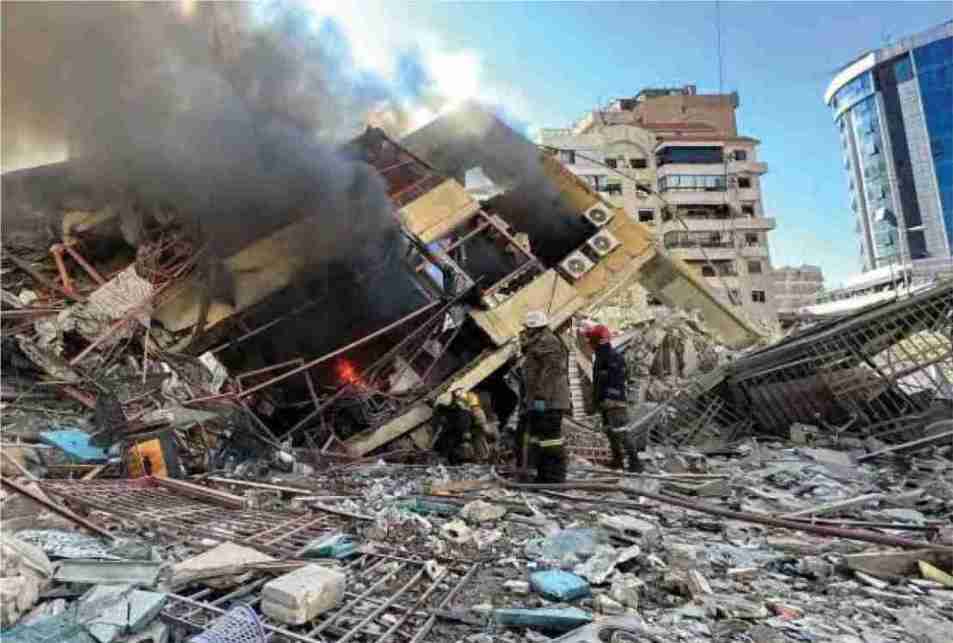
The war between two intransigent adversaries -- the Islamic regime of Iran and US-Israel -- has caught the whole world on the back foot. Missile strikes on not just military targets but civilian infrastructure have not only created instability directly in the region but indirectly all over the globe. Although India is geographically far from the conflict zone, its economic dependence on energy imports, trade links, financial flows and immigrant remittances make it highly exposed to instability in the region.
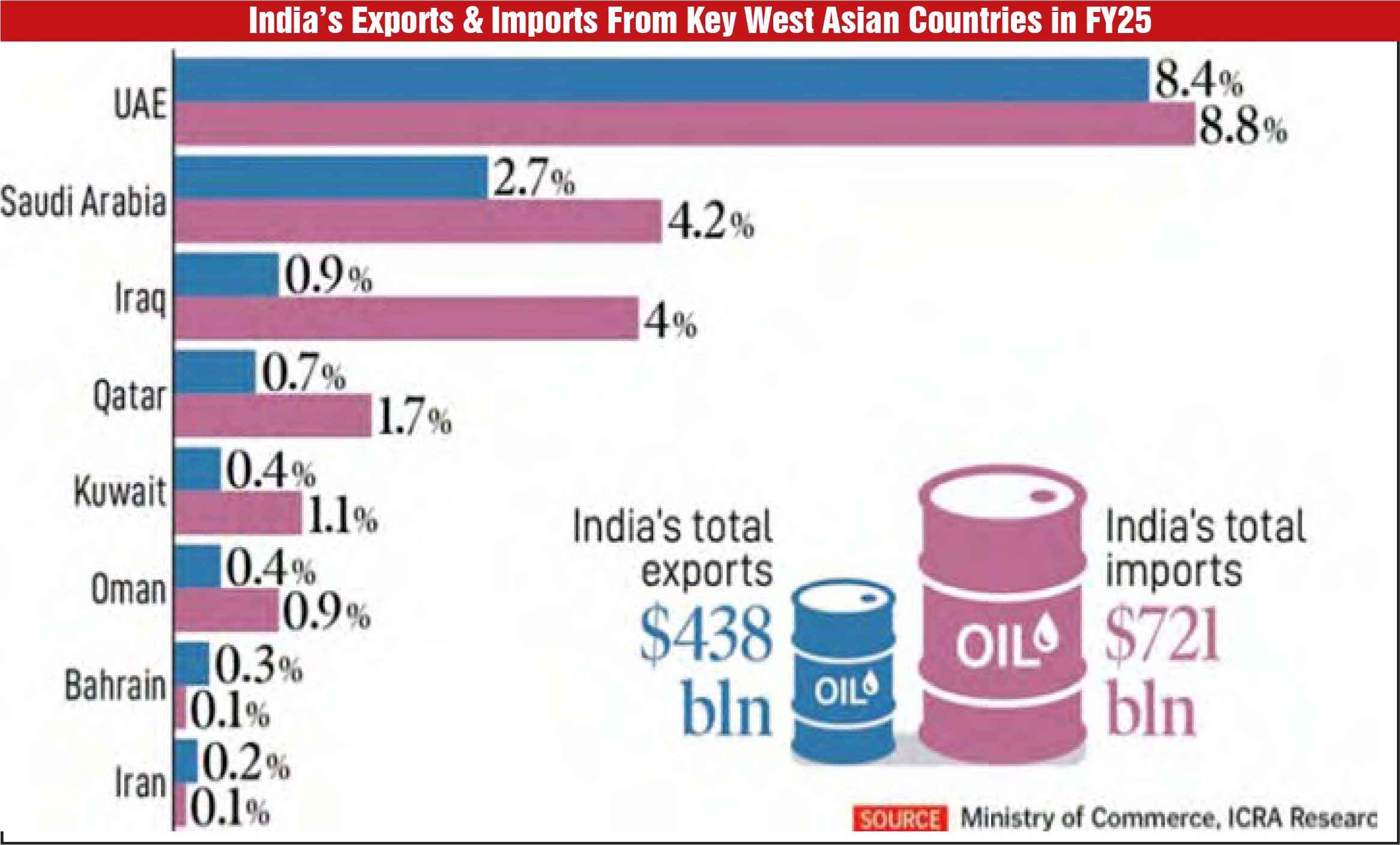
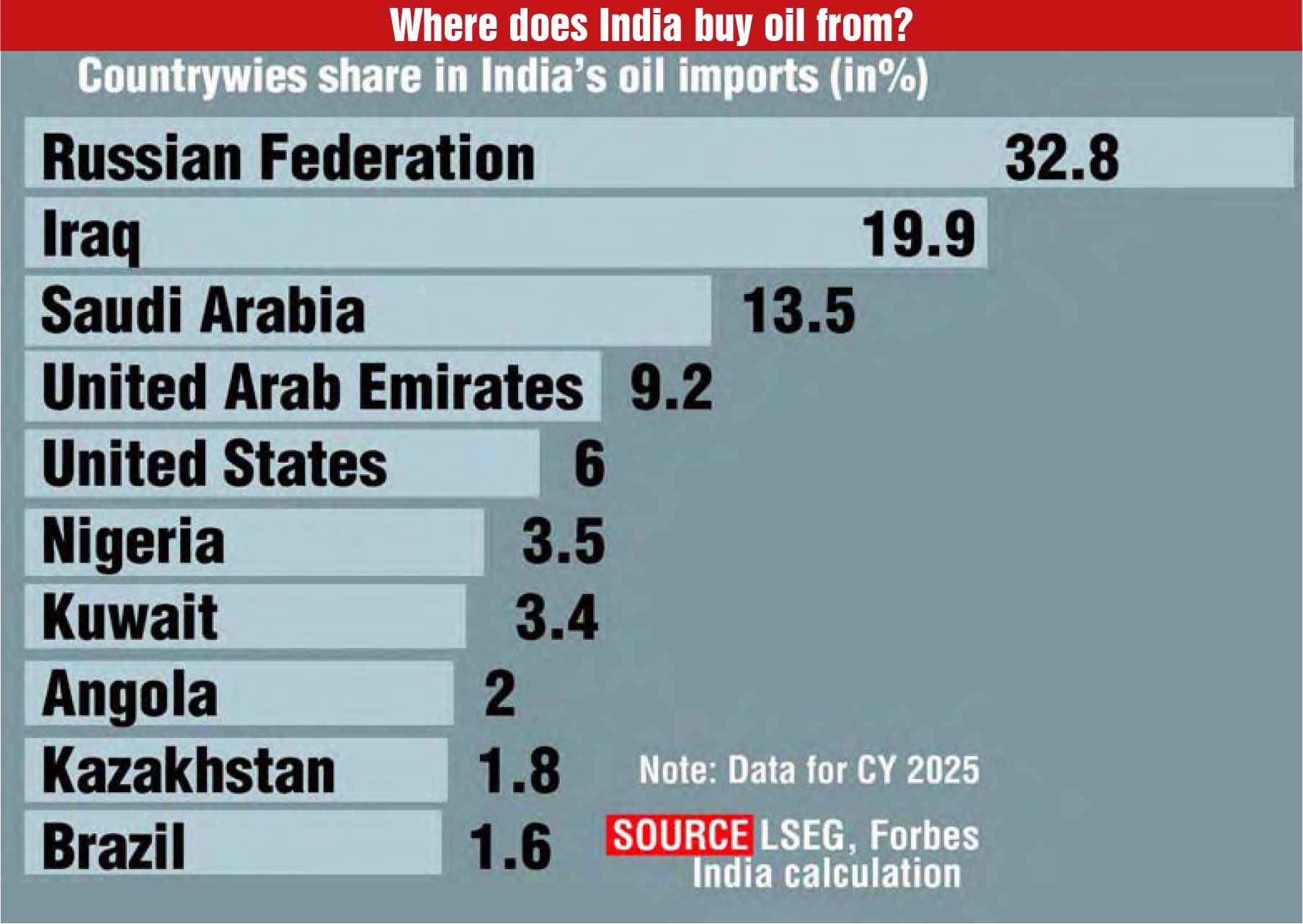
The most important and immediate effect of the bloody conflict is on India's energy security. India imports around 80 to 85 per cent of crude oil from West Asia. Disruption in routes like the Strait of Hormuz -- through which around 40 per cent of India's crude imports passes -- can push global oil prices upwards. Even fears of supply disruption has increased Brent crude oil volatility.
Higher crude oil prices can create cost-push inflation in India because fuel costs influence logistics, agriculture and manufacturing. Food prices may rise due to increased transportation and storage costs. Although India's inflation rate of late is benign and has remained within the RBI target band, global oil shocks can reverse this stability and an inflationary price spiral can restart its upward journey, adversely affecting the pace of economic development in the country, even if one does not take into account the hardships faced by the common man.
India's trade ties with West Asia are crucial as the region accounts for roughly 15 to 18 per cent of its merchandise trade. West Asia is an important export market for India, especially for agriculture products, pharmaceuticals, chemicals, engineering goods and construction materials.

War increases shipping costs as maritime insurance premia rise and cargo vessels may have to take longer and safer routes. In these circumstances, small and medium exporters are the worst affected as higher logistics costs slash already thin export margins and weaken global competitiveness. If the war drags on, many small and medium units depending on exports may have to close down.
Military conflict also creates uncertainty in global supply chains. Delays in delivery, restrictions on movement or changes in trade policies can reduce India's competitiveness. If the situation continues for a long time, India's overall export growth may slow down and it may even lose some markets.
While exports may come down, import costs may shoot up in the period of the conflict. According to DSP Mutual Fund, every $10 rise in oil prices adds approximately $12-18 billion in India's import bill, putting a lot of pressure on the fiscal situation.
The ongoing war will contribute significantly to the woes of the Indian people. With the war already a month old, the country is grappling with a severe LPG shortage as supplies have been disrupted due to the closure of the Strait of Hormuz - a critical passage for nearly 60 per cent of India's LPG imports. The disruption in the Strait of Hormuz has significantly impacted India's gas supply chain, with millions of consumers suffering on account of an acute shortage of supplies. One can see hundreds of people standing in queues for a LPG cylinder in almost every city of the country, while prices of gas cylinders have shot up to unbelievable levels in the black market.
The rupee has been one of the worst performing currencies this year, breaking the Rs 95 per dollar mark for the first time in 49 years after independence. The surge in the oil import bill combined with a 'risk-off' sentiment that has driven foreign institutional investors (FIIs) to pull out over Rs 1.3 lakh crore in a single month, surpassing the previous record of Rs 94,017 crore in October 2024, according to 'The Hindu'. This has put the currency under structural pressure.
In what looks like missiles from West Asia raining down on the Indian stock market, the country's major stock indices have crashed, experiencing one of the most severe downturns in recent history. Primarily triggered by the outbreak of the war between the US-Israel and Iran, stock prices have tumbling like a pack of cards, mirroring the panic seen during the 2020 pandemic crash. Between the closing of February 27, 2026 and March 27, the Sensex plunged by 9.4 per cent (around 7,700 points) to settle at 73,583.22. Similarly Nifty50 nosedived by 9.3 per cent, falling below the crucial 23,000 mark to end at 22,819.60. The sell-off wiped out Rs. 9.41 lakh crore in market capitalisation.
The manufacturing sector has slumped to a 4.5-year low, with the HSBC PMI dropping to 53.8. Industries that rely on heating furnaces or chemical inputs, specifically engineering, aluminium and fertilisers, have seen massive shutdowns, according to a report in Trading Economics. In Gujarat, reportedly 98 per cent of engineering firms have ceased operations due to a lack of industrial LPG, while nearly half of Maharashtra's industrial units are shut.
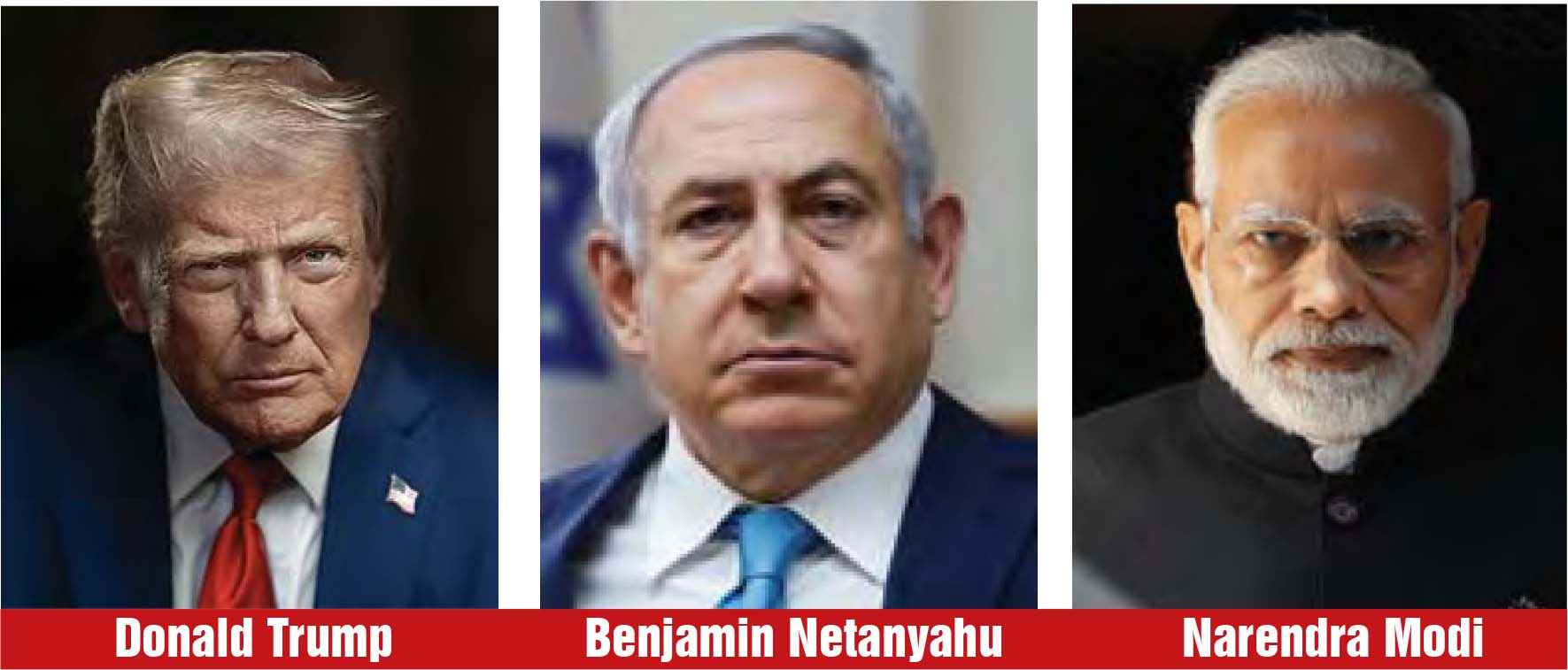
It is not that the government is unaware of the impact of the war on the Indian economy. Says V Anantha Nageshwaram, Chief Economic Advisor to the Modi government, "The West Asia conflict's impact on India's economy is likely to be significant. Early high-frequency indicators for March 2026 suggest a moderation in economic momentum, reflecting the initial impact of these global developments."
He adds "The combined impact of West Asia's conflict on India across growth, inflation, the fiscal balance and external balances is likely to be significant."
According to him, "The data reflect that the recent shocks are being transmitted through higher input costs, supply constraints, and pressures across sectors, with early indications of some moderation in economic activity."
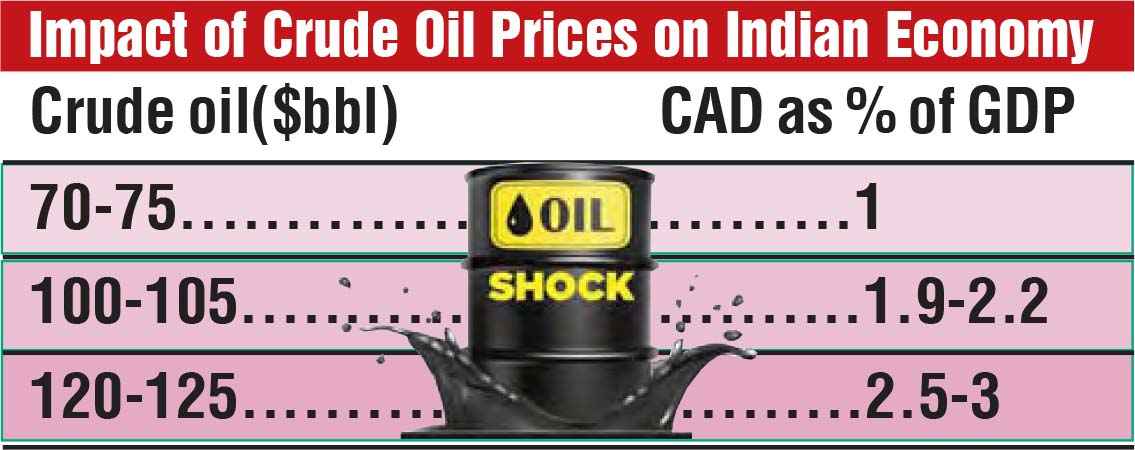
A monetary economic review by the CEA has warned of the risks of elevated global crude oil prices to the merchandise trade balance. "A sustained elevation in oil and gas prices could lead to broader second-round effects through input cost passthrough across sectors," it says. The review adds, "The geopolitical developments have introduced a complex and multi-layered set of risks for India, given its position as a major energy importer with strong trade, investment and remittance linkages with the West Asia region." The monthly review also highlights that the near-term outlook for the economy remains uncertain, with external shocks posing downside risks to growth through higher input costs and supply constraints, even as domestic demand may help cushion the impact.
All these problems created by the West Asia conflict is bound to adversely affect the pace of growth of GDP (gross domestic product). With crude oil prices rising, crossing $100 per barrel mark, inflationary price spiral escalating and supply chain disruptions continuing the GDP growth rate may be shaved off by one percentage point to 6-6.5 per cent against the projected figure of 7.5 per cent. Ernest and Young has warned if the conflict continues through the next fiscal year, India's growth trajectory could weaken and the impact could spill over across sectors affecting both supply and demand conditions, slowing down the pace of economic growth. A well known Indian rating agency ICRA estimates India's GDP growth to moderate to 6.5 per cent in the fiscal 2026-27 from 7.5 per cent in the current fiscal year.
The growth projections assume average crude oil price at USD 85/bbl in 2026-27 fiscal year. It expects India's current account deficit (CAD) to widen sharply to 1.7 per cent of GDP in FY27 (from 1 per cent in current fiscal year).
ICRA said the upside risks to inflation stemming from the ongoing global energy supply disruptions amid the West Asia conflict could feed into inflationary expectations of households. This, along with heightened uncertainty is likely to sour consumer sentiments in the near term. If the conflict lasts for an extended period, the adverse implications of the same could widen across sectors, amid an uptick in input costs and the consequent impact on profitability of India Inc.
"India's GDP growth is expected to moderate to 6.5 per cent in FY27 from the projected 7.5 per cent in FY26, owing to the adverse impact of elevated energy prices and concerns around energy availability, even as developments around tariffs, lower GST rates, policy rate cuts, subdued food inflation, and upbeat farm sector trends augur well for consumption," ICRA added.
August 31, 2026 - Second Issue

Industry Review


VOL XVII - 12
August 16-31, 2026
Want to Subscribe?
Read Corporate India and add to your Business Intelligence
Unlock Unlimited Access
Lighter Vein

1 Year *
Subscription
Rs 1800 /-
3 Year *
Subscription
Rs 5000 /-
5 Year *
Subscription
Rs 8000 /-
5
International
Subscription
$ 99.99
Read Corporate India and add to your Business Intelligence
Popular Stories

A modern-day enigma and a ramification of humanity's never-ending advancements, e-waste refers to the scum con- cealed by the outward glow of ever-advancing technology.
Archives


Office Address
Unit No. 405, 4th floor, Madhu Industrial Park, Avadh Narayan Tiwari Marg, Mogra Village Road, Andheri (East), Mumbai – 400069.
Call/Whatsapp
If you are interested in advertising with Corporate India, please don't hesitate to contact us. Our team is here to assist you with the process and answer any questions you may have. We look forward to the opportunity to work with you and help your business reach its full potential.
Fill out the form below to subscribe to our newsletter and never miss an update