




Want to Subscribe?
Read Corporate India and add to your Business Intelligence

 Unlock Unlimited Access

Editorial
It is indeed unfortunate that although India is not involved in the Israel-US war with Iran and our country is far away from the theatre of war in West Asia, the bloody conflict has started severely stressing the Indian economy by triggering a massive oil shock, sharp currency depreciation and speedy capital outflows.
Since February 28, 2026, while the combatants traded bombs and missiles in West Asia thousands of kilometres from New Delhi, the tremors of the conflict started being felt across India’s economic landscape – from fuel pumps, corporate boardrooms and the stock market to North Block where the Union finance ministry examines the charts of fiscal balances.
As the war led to a surge in crude oil prices from $ 65 to $ 115-120 per barrel and safety-driven gold imports mounted, the current account deficit widened to 2.5% of the GDP and the rupee tumbled to a record low of Rs 96.60 to a dollar, compounding the loss of over $ 20 billion in foreign portfolio outflows. The monster of the inflationary price spiral started raising its head with elevated energy, logistics and fertiliser costs risking severe inflation across consumer sectors. Oil subsidies started stretching the government’s budget, with projections warning of a 0.5% to 1.5% drop in overall GDP growth if the hostilities persist.
Capitalising on the situation, the leader of opposition in the Lok Sabha, Rahul Gandhi, has warned that current domestic economic policies and global shocks such as supply chain disruptions will trigger an economic crisis, hitting hardest the youth, farmers, labourers and small businesses rather than large corporations.
Prime Minister Narendra Modi has admitted that the West Asia crisis poses a serious challenge to the economy and has urged Indians to curb fuel use, reduce foreign travel and pause gold purchases. Pointing out that global fuel costs have surged, he appealed to citizens to use public transport, work from home and resort to carpooling in order to conserve fuel.
However, urging the Indian public to reduce foreign travel is not likely to solve the problem, even as politicians across the board continue with their foreign junkets. Mr Gandhi has alleged that the PM’s appeal to the public is an indirect admission of policy failure. Most observers feel that if the West Asia war persists, India will face a severe economic storm. In fact, a growing number of other Asian countries are encouraging lower fuel consumption in view of the conflict. India imports over 85 per cent of its fuel needs and relies on the Strait of Hormuz passage for around 50% of its crude imports, 50% of its liquefied natural gas (LNG) and almost all of its liquefied petroleum gas (LPG) needs. Higher energy costs are expected to significantly widen the country’s trade deficit and current account deficit.
The need of the hour is to manage the current account credibly. Financing and preventing further currency depreciation are big imperatives for India this year, while another problem is that of foreign portfolio outflows, which have already hit US$ 20 billion mark since the war bugels had started blowing. The government should immediately come out with imaginative and effective measures to attract foreign investors, who have turned to China, back to India. Measures like scrapping the long-term capital gains tax and abolishing dividend tax will go a long way in solving this particular problem.
Cover story
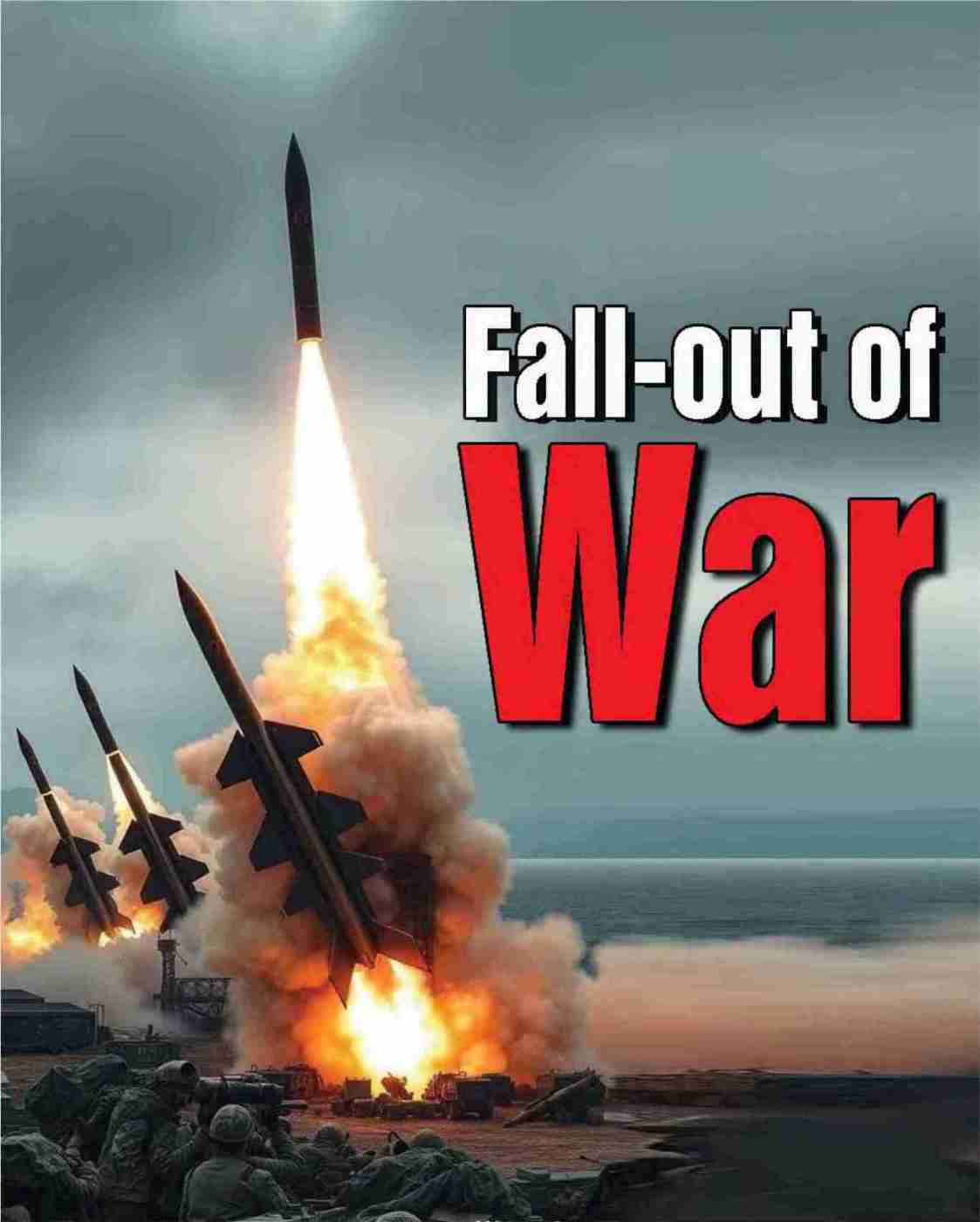
The no-holds-barred war between the US-Israel and Iran, now in its third month, has shaken the global economy, not least India. The immediate indicator of this economic quake is the country’s stock market.
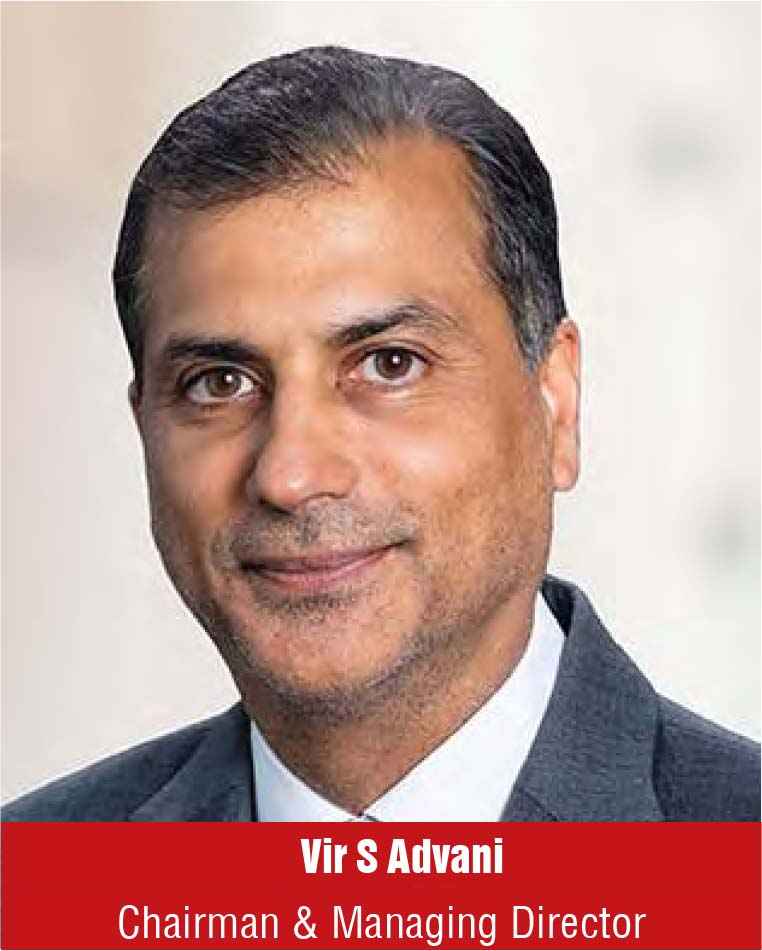
Air-conditioner major Blue Star registered a nominal 3.6% revenue growth in FY26, despite multiple headwinds impacting its businesses. The room AC business was adversely impacted.
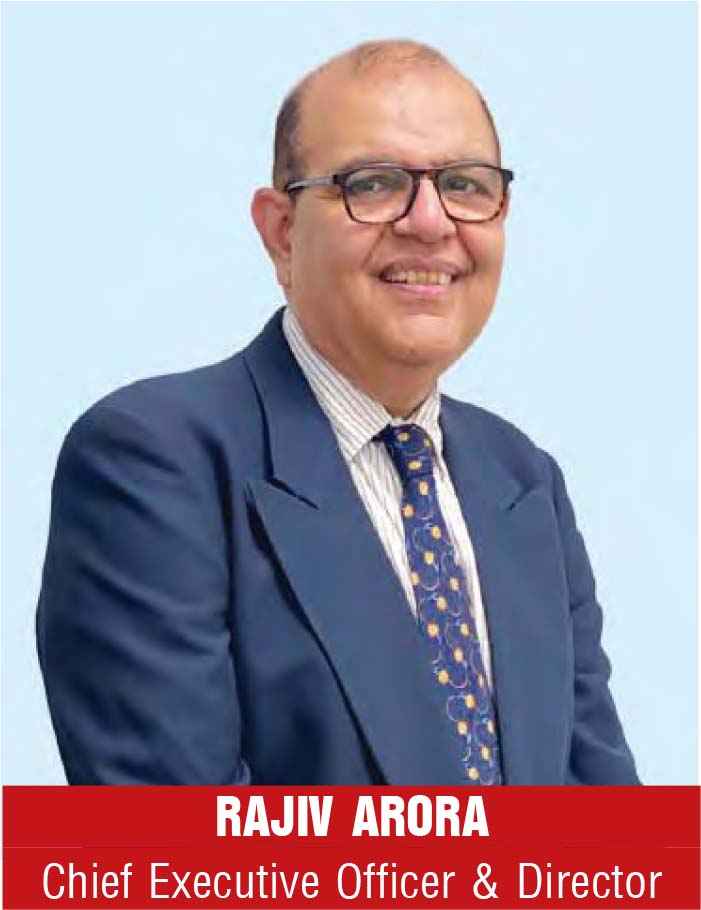
ver 70 years old, National Peroxide (NPL) is a fully integrated manufacturer of hydrogen peroxide (H2O2) belonging to the Nusli Wadia group. Its factory at Kalyan, near Mumbai.
Share X-Ray
Bondada Engineering (BEL), a Rs 2,800 crore solar EPC company based in Hyderabad, has announced an ambitious and aggressive investment plan of Rs 10,000 crore spread over four years to meet its target to build a 25 Gigawatt (Gw) renewable energy capacity.
Fortune Scrip
This fortnight, we have picked Noida (Uttar Pradesh)-headquartered Indian multinational EMS (electronics manufacturing services) company Dixon Technologies.
News and Events
In a strategic move to strengthen its positioning in India’s fast-growing sports nutrition and wellness segment, HealthFarm Nutrition has appointed Bollywood actor Ahan Shetty as its official brand ambassador.
September 30, 2026 - Combined Issue

Industry Review


VOL XVII - 13
September 16-30, 2026
Want to Subscribe?
Read Corporate India and add to your Business Intelligence
Unlock Unlimited Access
Lighter Vein

1 Year *
Subscription
Rs 1800 /-
3 Year *
Subscription
Rs 5000 /-
5 Year *
Subscription
Rs 8000 /-
5
International
Subscription
$ 99.99
Read Corporate India and add to your Business Intelligence
Popular Stories

A modern-day enigma and a ramification of humanity's never-ending advancements, e-waste refers to the scum con- cealed by the outward glow of ever-advancing technology.
Archives


Office Address
Unit No. 405, 4th floor, Madhu Industrial Park, Avadh Narayan Tiwari Marg, Mogra Village Road, Andheri (East), Mumbai – 400069.
Call/Whatsapp
If you are interested in advertising with Corporate India, please don't hesitate to contact us. Our team is here to assist you with the process and answer any questions you may have. We look forward to the opportunity to work with you and help your business reach its full potential.
Fill out the form below to subscribe to our newsletter and never miss an update